As I plan and prepare for my second visit to Ladakh this winter in search of a frozen Pangong Lake, here is a short take on Chadar Trek and experiencing Ladakh in winter months.
Every year, ‘Ladakh Season’ begins some time in June and ends in September-October months. This is the fair weather time in Ladakh and is the best time to visit. This is also the time when the roads leading to Leh from Manali and Srinagar remain open. From late September or early October, weather gods cast their angry-eyes on this region and let the clouds play havoc on the mountains. Rains bring down tonnes of slush on the roads to Ladakh and snowfall makes things worse at high passes. Temperature dips closer to zero and goes further down with the progress of winter. Temperatures twenty below zero become an everyday affair from December to February. Naturally, the streets of Leh that used to be filled with visitors in summer now go nearly empty. Very few people make it to Ladakh in these months, thanks to the difficult weather and closed roads.
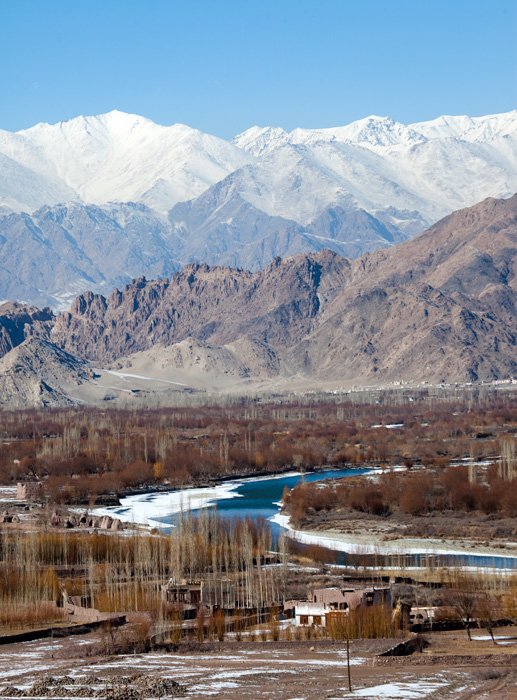
Landscapes of Ladakh in winter with Indus flowing through the mountains.
The landscape too, gets transformed during the winter months. Rivers that were running full in summer, thanks to the melting glaciers, now slow down. The barren mountains are now adorned with snow. Whatever few trees that exist in the valley shed their leaves and go naked. The fields that were filled with barley too, become either brown or white with snow. The sky however, becomes unpredictable: it is either stark blue or masked with clouds that precipitate powdery snow.
In summer months, Ladakh’s clear blue skies, stark landscapes and the deep valleys appear magical. As the temperature dips and the mountains prepare for a long winter, the transformation creates another kind of magic. It is made of deep blue rivers lined with ice on either banks, tall poplar groves that stand bare and parallel to each other, mountain peaks that keep changing colours from brown to white depending on the weather.
When it comes to people of Ladakh, life takes a slower pace in winter. The markets that cater to tourists shut down. The tourists walking on the street, who could be from any part of the world, disappear completely. The few people who are on the street are all round-faced, apple-cheeked Ladakhis going around doing their daily shopping.
In 2011 January, I made a winter visit to Ladakh and was amazed by the transformation that the landscape went through. I had seen it in pictures and knew what to expect, but as it always happens, the magnificence that unfolds in front of your eyes can’t be substituted by a two-dimensional post-card sized splash of colours. I was overwhelmed. I was taken. The winter time Ladakh had conquered me as soon as our aircraft landed at the airport in Leh.

Thiksey Monastery in winter.
I spent two weeks in Ladakh then, visiting a few monasteries that are typical tourist hangouts during the summer months, and then walking on the frozen Zanskar River in the excellent stewardship of Manish Lakhani, whose name is highly respected on the unpredictable tracks of Chadar. Having spent more than two months in Ladakh, I had assumed that I know plenty about the region. But this time, it all looked new. And different. The monastery at Thiksey was unpeopled, but for the caretaker monk in the Buddha Room who smiled at us genially. Empty landscapes and a super-blue Indus welcomed us at Stakna. The river that was in a great hurry during summer months, then filled with sediments it brought from faraway Tibet, was now clear and challenged the sky in its blueness.
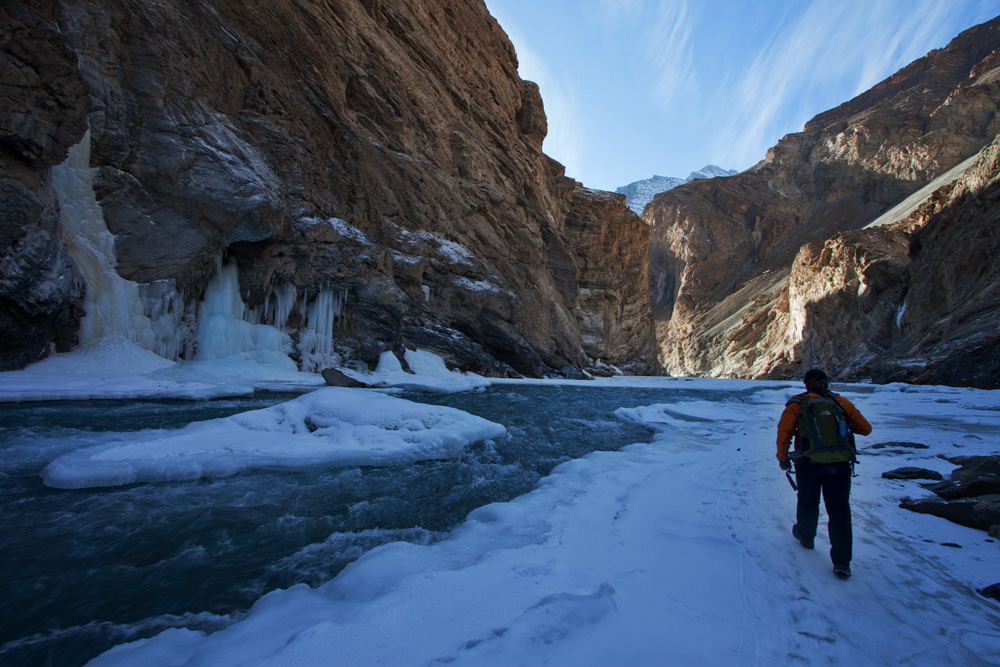
Chadar Trek–the walk on the frozen Zanskar River–showed me a world that I had never known, a world that is hard to imagine it exists. Even when I had seen it in pictures. We lived for twelve days camping by the river during the night and walking on it during the day. On the way, we encountered waterfalls that had given in to the cold and had frozen on their way down the cliff. We saw whirlpools of water in Zanskar forming lily-like plates at the edge of the water. We walked on sections of the river where the it formed deep gorges, flowing between steep vertical walls. There were places where the river was frozen hard, forming a thick ice that could not even be broken by tonnes of heavy stones that fell from the mountains. At places, air bubbles showed through the transparent-blue ice. There were places where the ice was so fragile, we ended up having to walk in the frigid waters (not an experience I would want to repeat!).
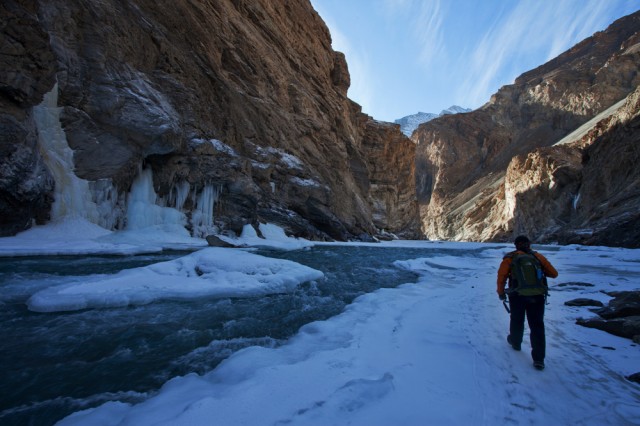
Chadar Trek – walking on the frozen Zanskar River.
As the days progressed over the Chadar, the landscapes changed one day and the steep inaccessible mountains made way to a wide open valley. Near Hanumil Village, where the habitation begins in Zanskar Valley, we could leave the river bed and walk on the gentle slopes. It is astonishing to see a civilization thriving in a place so remote and forbidden.
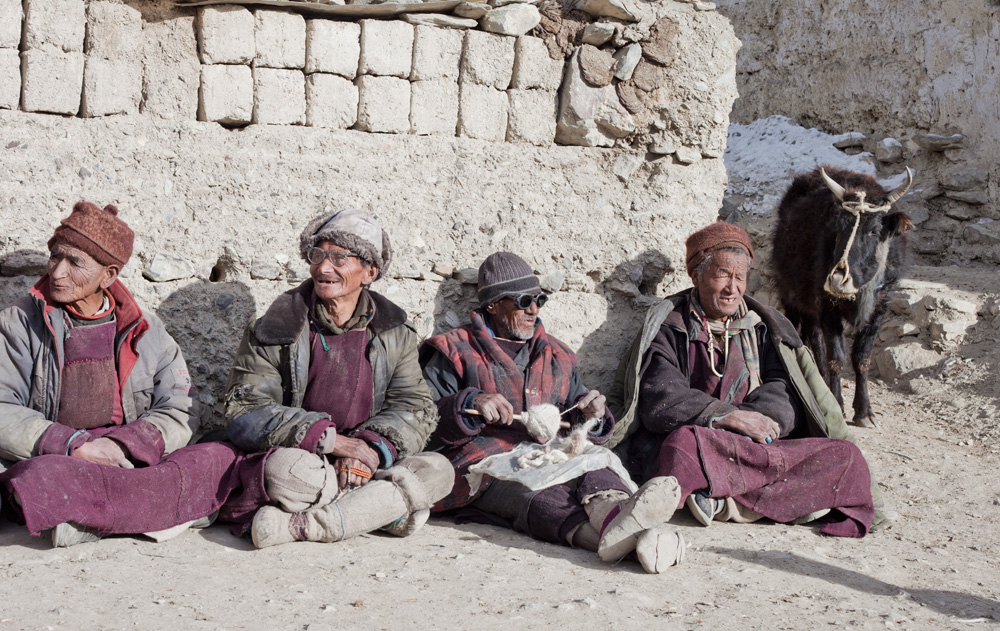
People of Zanskar once lived with the help of their livestock and subsistence farming. They consumed what they produced, relying on external world for very few essentials like salt, which was traded for yak butter. While there were many routes to connect with the external world during the summer months, the mountains routes were buried in snow during the winter. However, the river came to rescue when the mountains would not. The frozen river provided a faster, easier access to people of Zanskar with the outside world. This remains true remains even today. Once the snowfall begins in November, the roads to Zanskar are cutoff and river becomes the road that connects people with rest of the world.
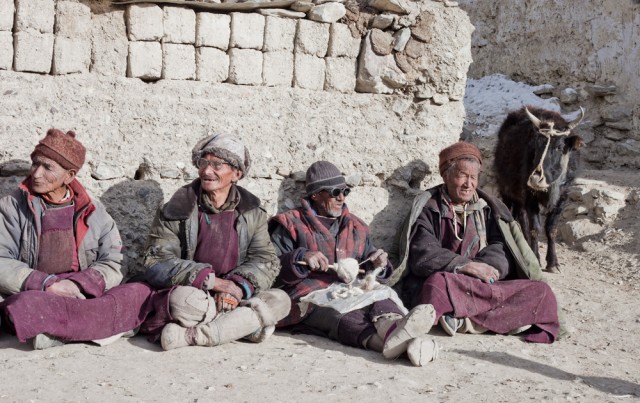
People of Zanskar, where life hasn’t changed much over the past centuries.
Much like the tradition of using the river for winter transport, lives of Zanskaris hasn’t changed much over the centuries. People still live largely on subsistence farming and depend considerably on their livestock. But income is supported by activities associated with tourism in the last few decades. In winter, a large pool of locals double up as porters for visitors who want to trek on Chadar. Business is generated in summer months by a continuous stream of visitors who come here to see places, go rafting or trekking. The roads, as long as they are open, also bring in modern facilities. Zanskar today has limited access to electricity, roads and reasonably good facilities to educate local children. Cooking gas cylinders have replaced cow-dung and wood. Yet, for a visitor who comes here in winter, it is difficult to digest the fact that a civilization happily thrives here despite the harsh conditions, living far more contented than the people in the plains.
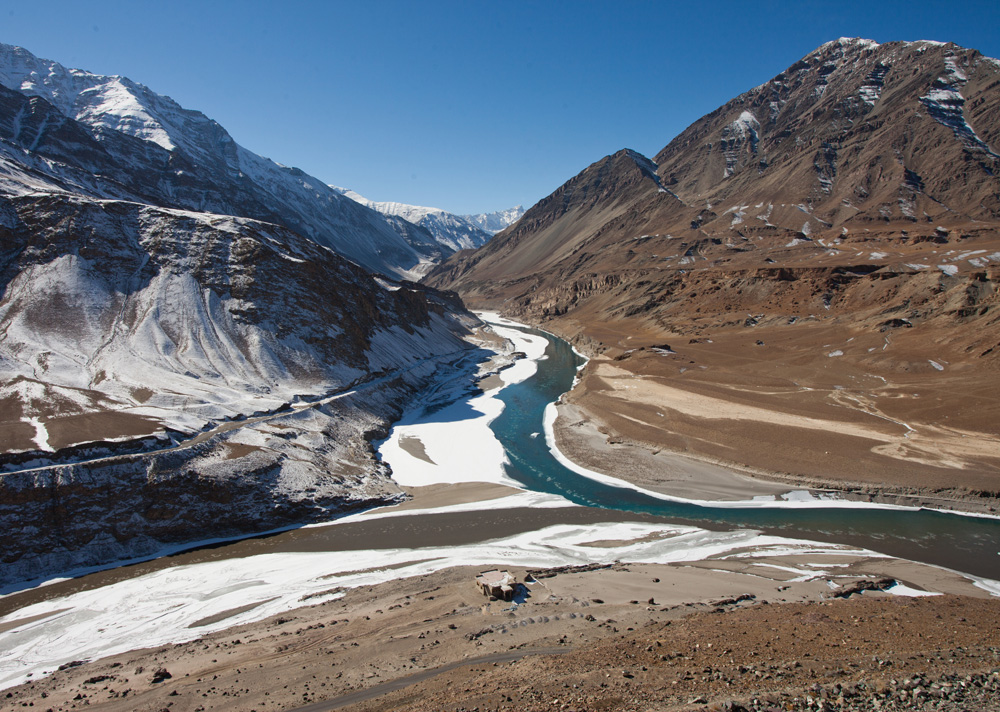
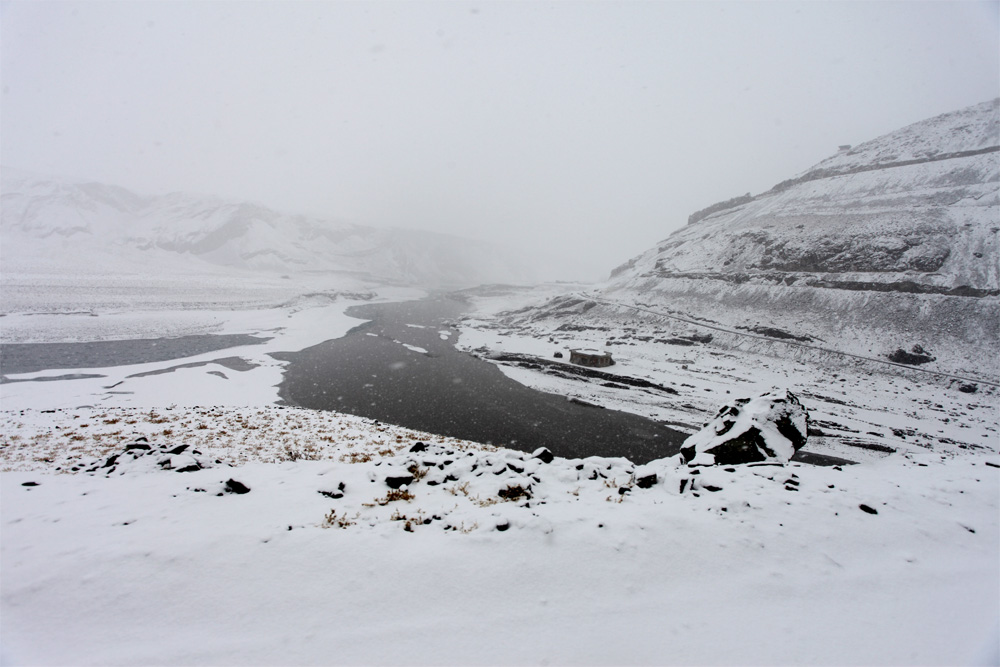
This is how things changed with weather at Nimu, the confluence of Indus and Zanskar Rivers.
We had clear blue skies as we walked upstream into the heart of Zanskar. On our way back however, weather gods decided to show us their powers. One morning, we woke up to see that the sun had disappeared behind thick, low-hanging clouds. It kept snowing for a long time, rarely offering any breather all through our return journey. Once again, the landscape was transformed. Fresh, powdery snow took the place of hard ice. Blue skies had changed colour and visibility had dipped. The confluence of Indus and Zanskar Rivers, which was an aesthetic mix of deep blue and mountain-brown when we began the trek, had turned into shades of grey when we ended. During the drive back to Leh, we did not see the road but a thick white line with little bit of tarmac showing up once in a while. The mountains hid behind the falling snow and there was nothing visible except the falling snow right ahead of us. With a continuous snow fall, my Ladakh experience was as complete as it could get. I had spent a summer here, relishing the balmy weather and driving through the high passes. I had seen rainy days when floods washed away our roads. I had seen clear-blue-sky days in summers and winters. Now, just as I was ready to depart after a long and tiring trek, Ladakh had transformed again and showed me yet another face that I had not seen before.
Also see: our photography tour to a Snow filled Ladakh in Winter.
In the recent past, I have been fascinated by the diversity of occupations that people around us practice. Knowingly and unknowingly, I have been photographing occupations for some time now, not always classifying and photographing because they are occupations but merely due to aesthetic value of what is unfolding next to me.
Here is a collection of images of people at their work.
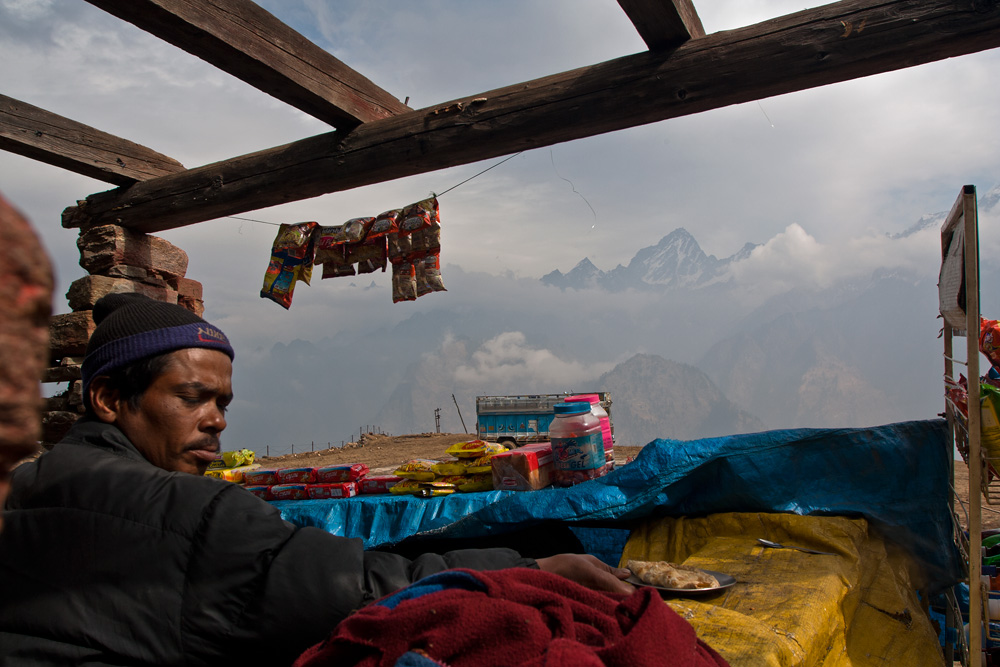
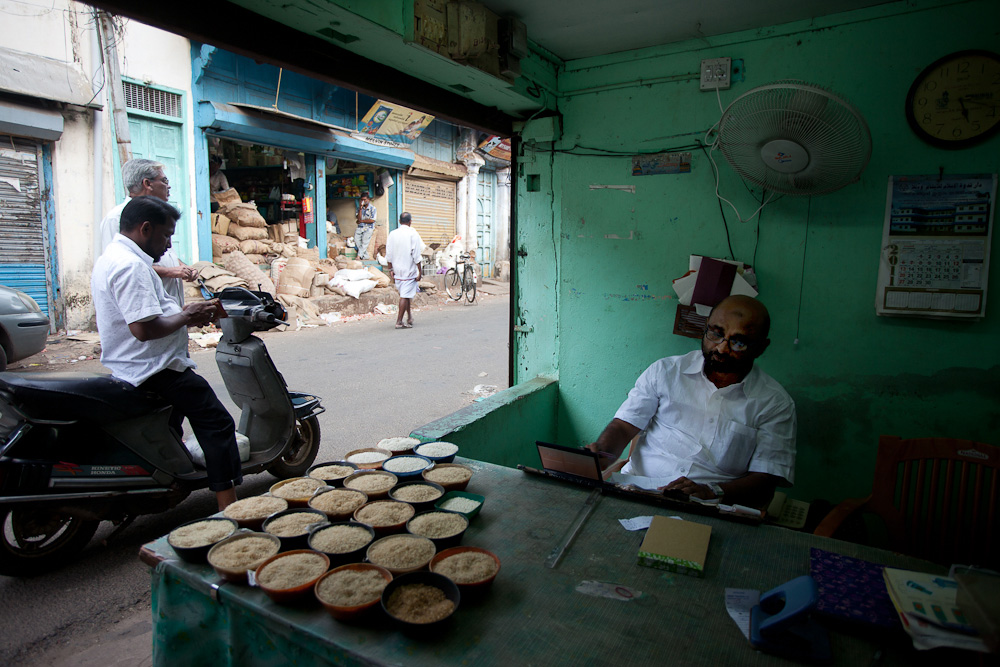
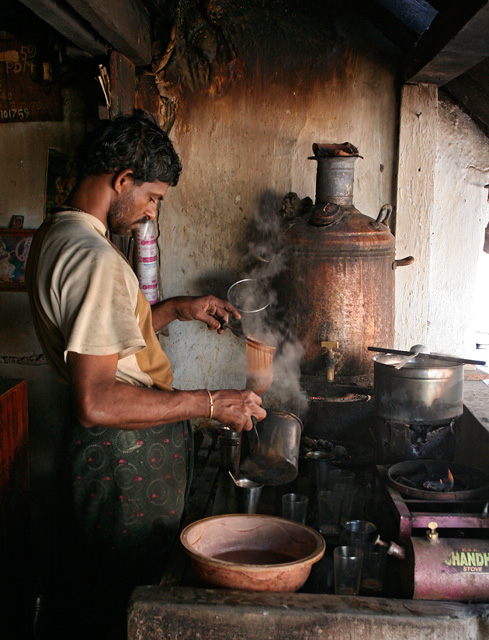
One of my favourite subjects for photography is chai-shops and dhabas. You will find one not too far from you, no matter where you go. And each one has its own character. Some, like the one below, are open spaces that are quickly converted into a shop using nothing more than a stove and a bunch of utensils assembled over a pile of stones. And there are some that are built with make shift walls that could merely be a set of plastic sheets. They come in several different versions as well, like the mobile ones on a push-cart or the one that I saw built from the remains of an ancient truck.
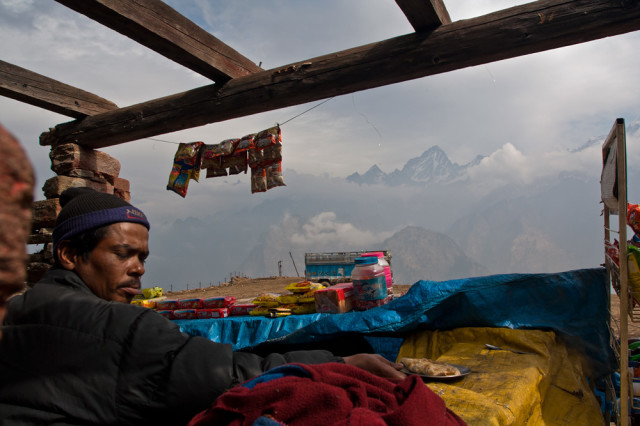
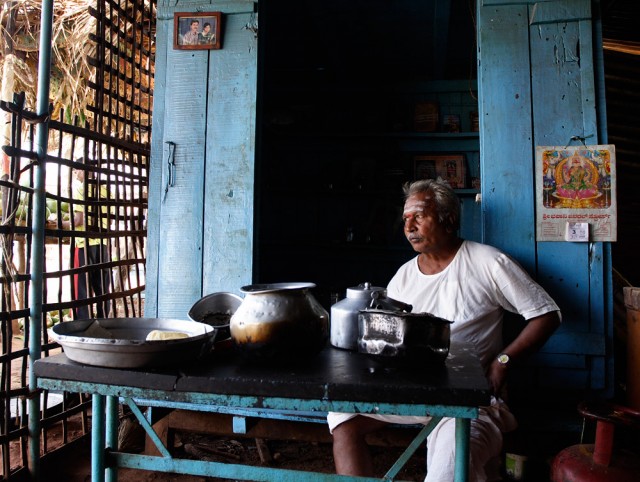
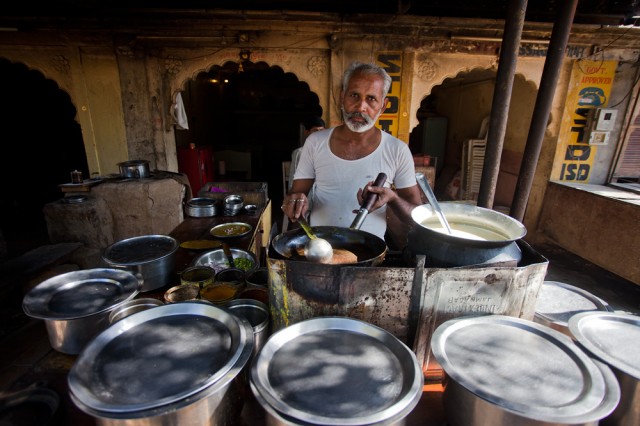
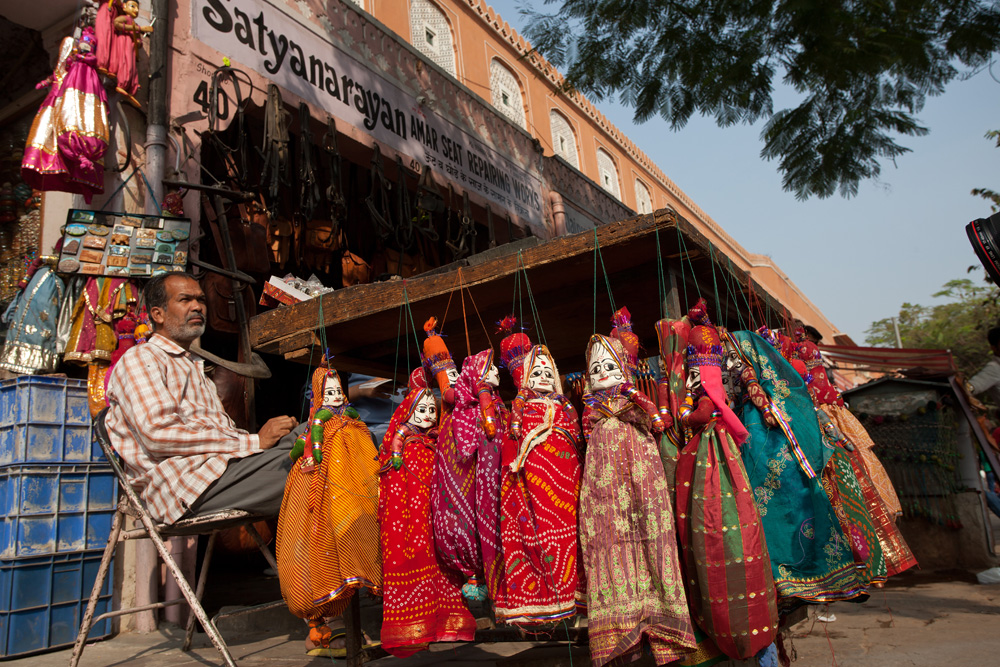
We are a nation of retailers. If the numbers that I got to read subsequent to the recent announcement on FDI in retail are to be believed, we have more than a crore retailers in the country. To see the amazing variety of things that people sell, one should visit an old-worldsy market in any of our cities. They are usually hidden away from the arterial roads that may showcase swanky malls. These are the places where your mom may go to buy vegetables or your uncle may get supplies for his small business.
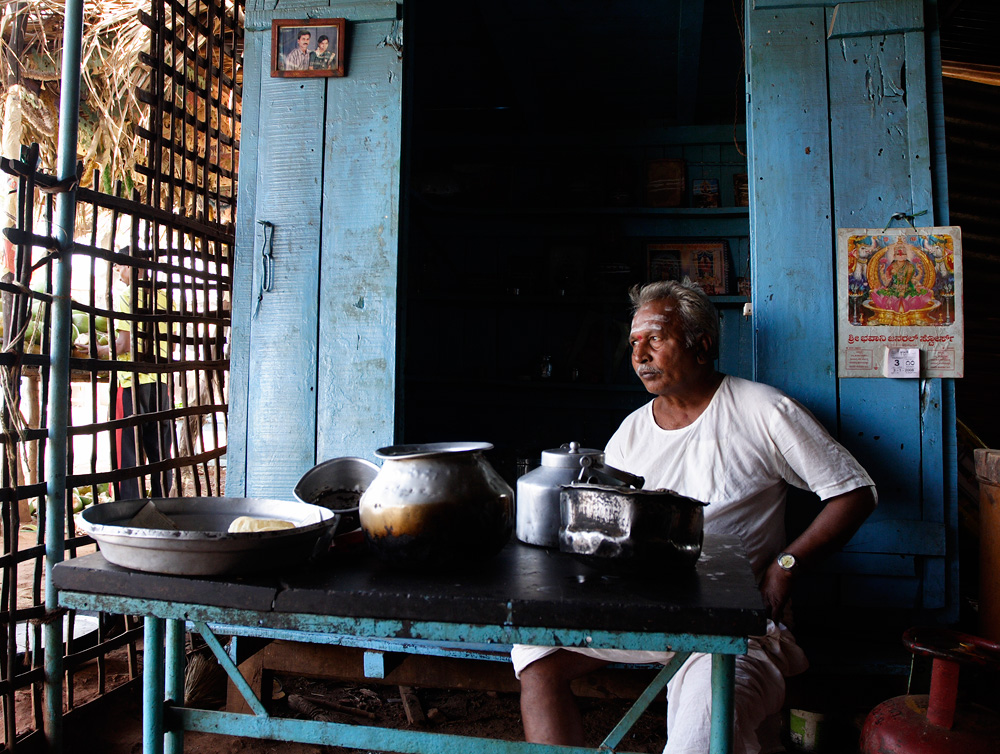
Some times I tend to think that the tough jobs are not just the ones that require lot of physical or mental activity, but also the ones that require a lot of waiting, like waiting for a customers, a job that every retailer will have to do except a few lucky ones who may be always busy serving the customers.
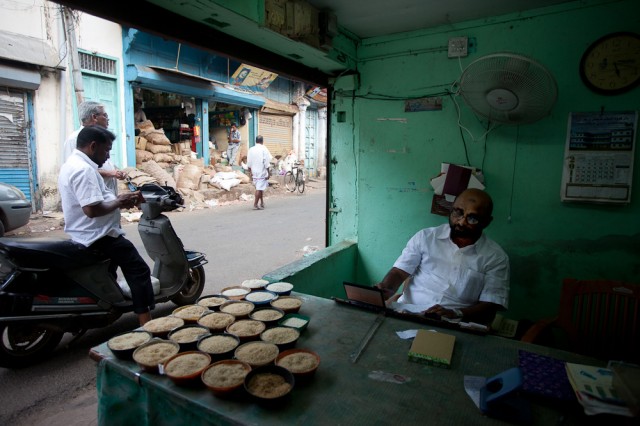
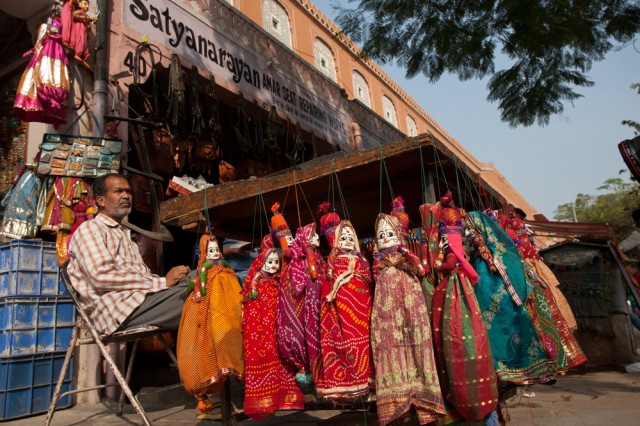
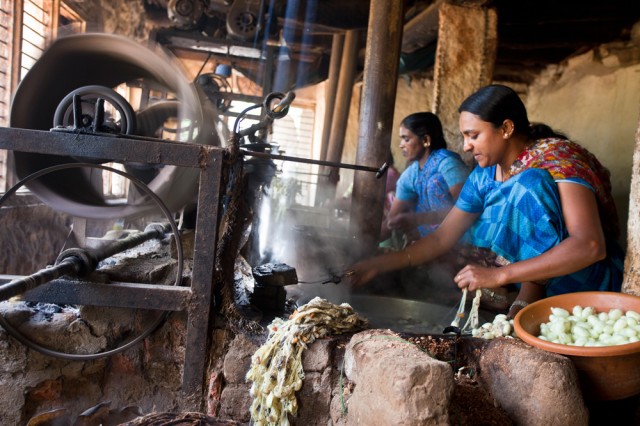
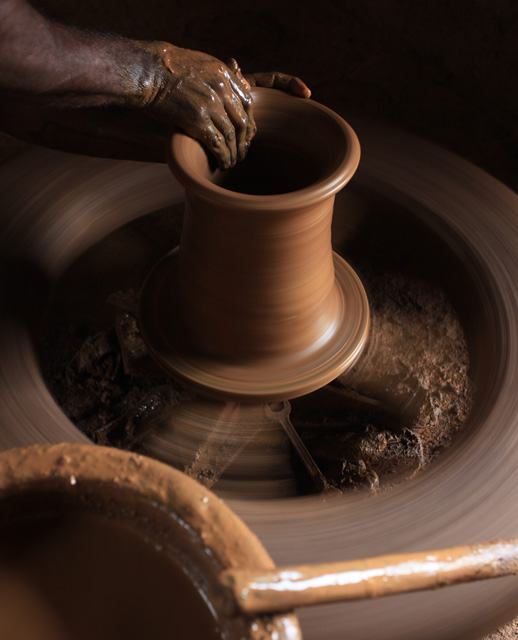
A large population in India, perhaps seconded only by agriculture, is supported by small business. A statistic puts the number at a fourth of the country’s population. Small, home businesses and industries like the one below–a setup for extracting silk yarn from cocoons–are often threatened by automation and industrialization. Yet, many survive. This silk yarn unit is one of the survivors in business, while many such units near Bangalore have closed down. But industries like pottery have survived in the absence of a prolific industrialized alternative.
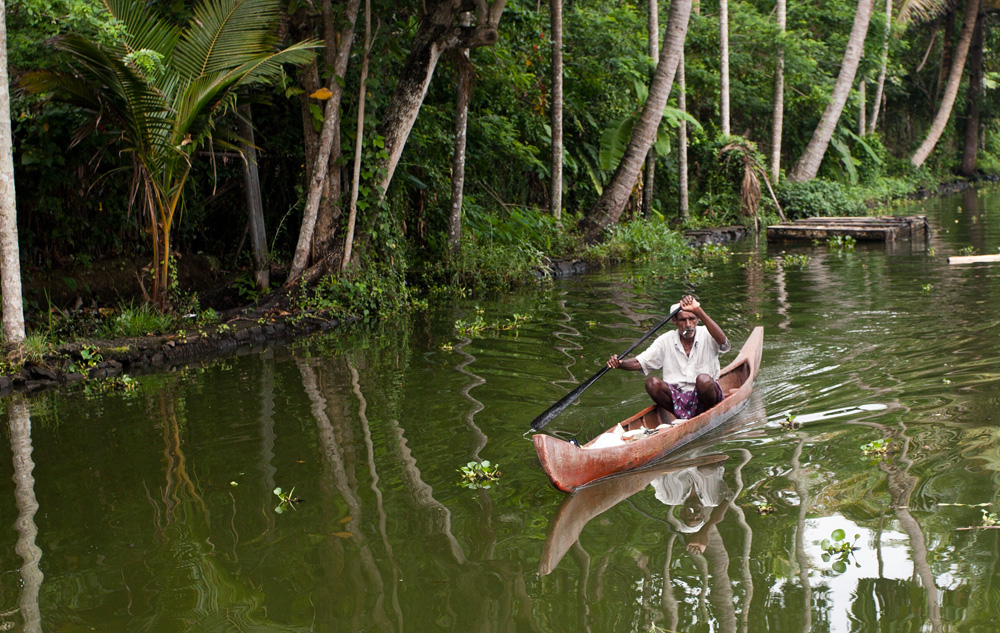
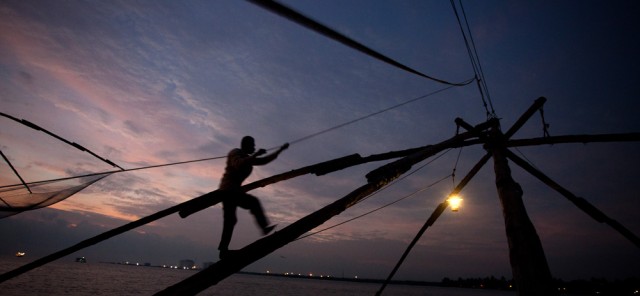
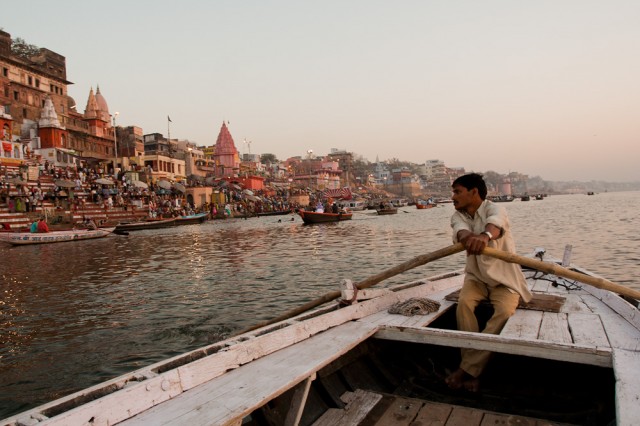
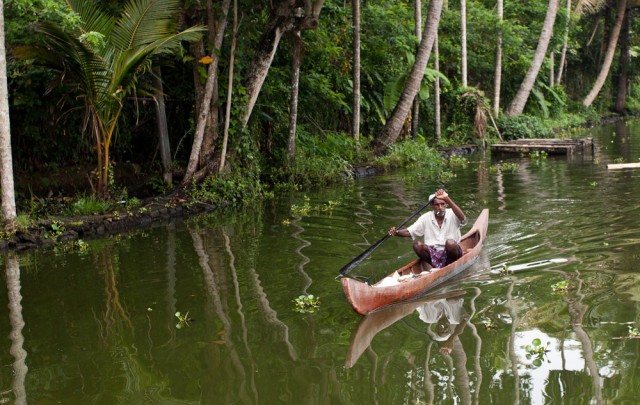
In places near water bodies, lives and earnings of people living nearby depends a lot on water. Perhaps fishing, transportation on water and tourism account for much of the direct income from water bodie. It is interesting to see the diverse ways that people employ for catching fish. Throwing a net by hand, using powerful trawlers and angling are some of the ways. The Chinese fishing nets are a unique fishing style that was once popular in Kerala, though a few nets have remained in use today.
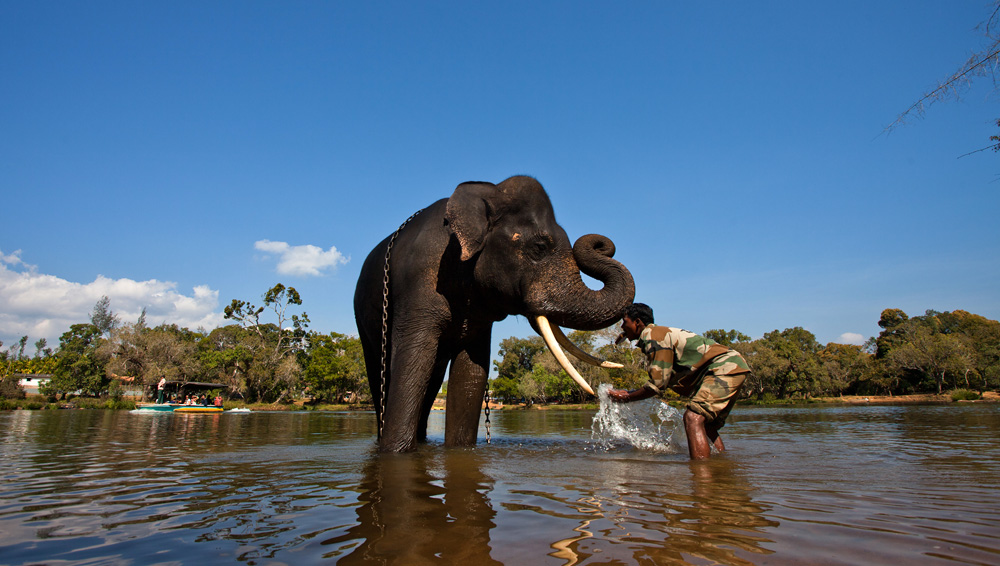
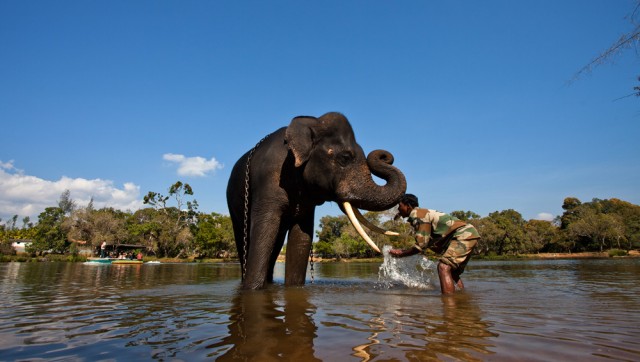
There are some jobs that are very unique, practiced by perhaps no more than a few hundred people in the entire world. The work of a mahout is one such, practiced only by a small population in India and another handful in rest of Asia. While only a mahout can tell how enjoyable his or her work is, it sure is a pleasure to watch these beautiful pachyderms being tended.
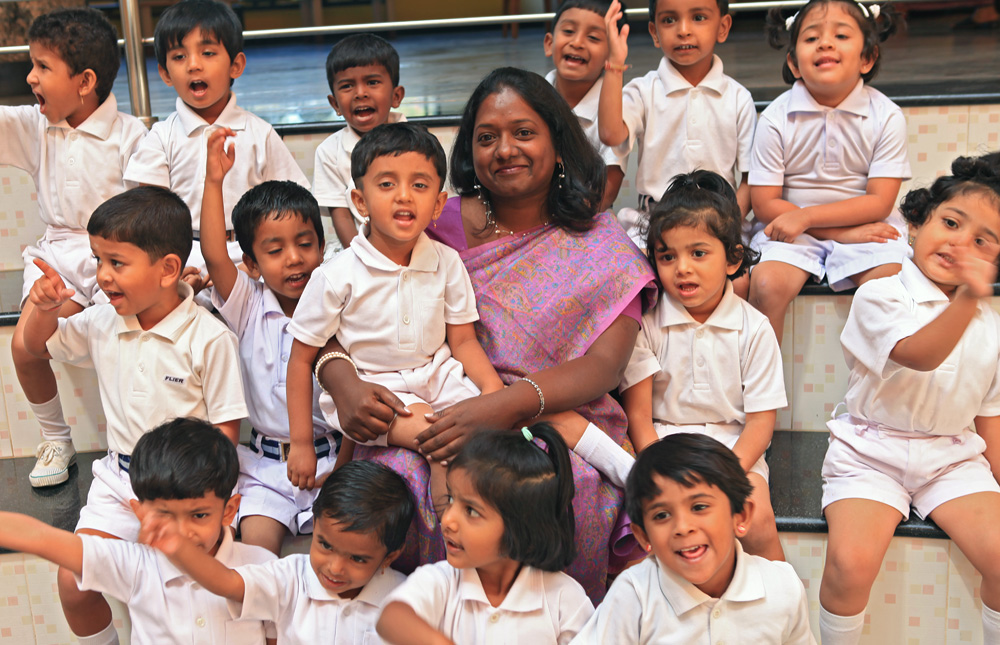
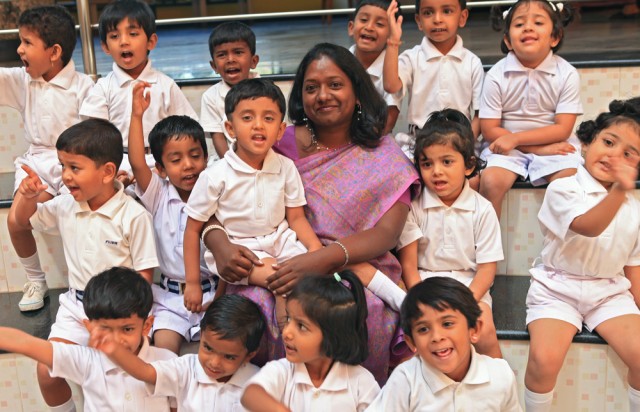
Sometimes I am fascinated by the way some very enjoyable jobs loose their original purpose to paperwork (this is only my prejudice and need not be taken as a fact). A school principal’s work, for example, is primarily to help his/her pupil learn. But I think in most occasions, a school principal is likely to be immersed in truck loads of administrative activities or paperwork, leaving very little time for teaching kids. This image below was shot on assignment for a school near Bangalore. My brief was to get a profile image of the principal for the school’d marketing material, at her desk in her room. The school administration wasn’t happy about a photograph that was taken by another photographer earlier. After I took the customary profile image, which they were happy with, I told them this can be done differently knowing the purpose for which the image will be used. I took the principal out of her desk, got her to an amphitheater and surrounded her with the kids from preschool. Here is the result for you to see.
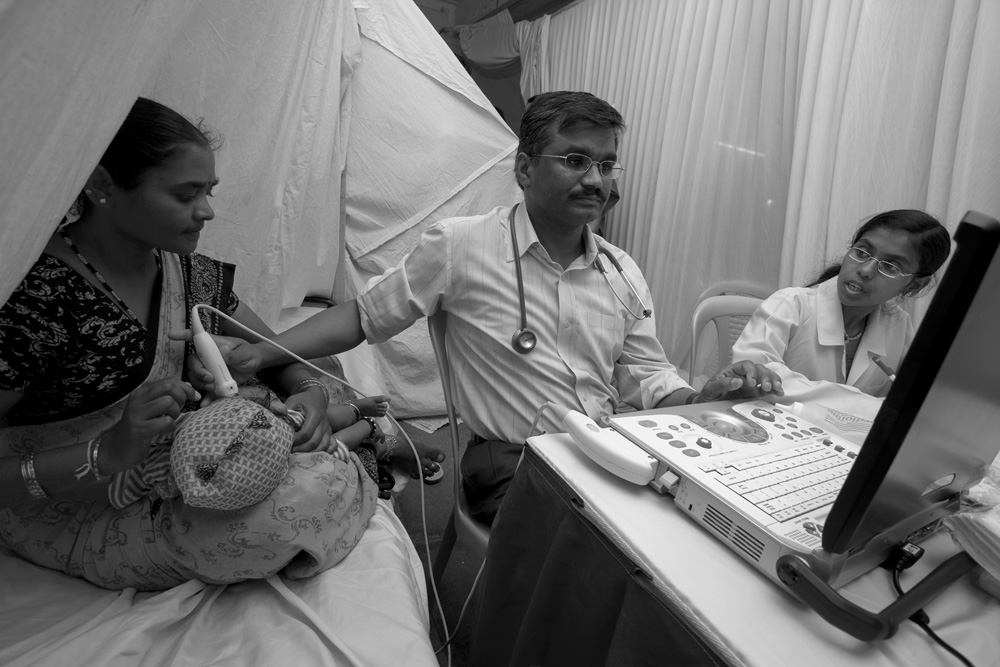
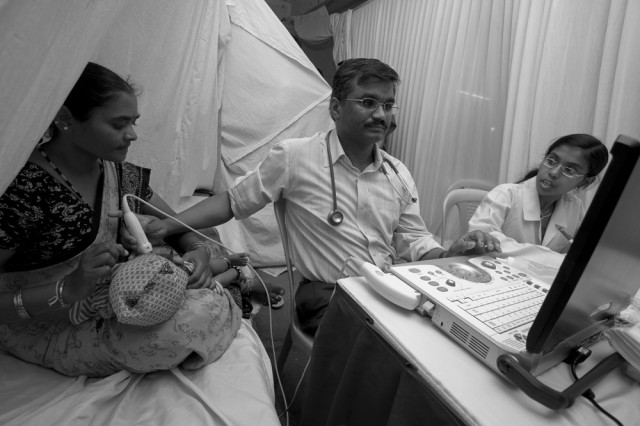
Some jobs are truly sacred. Like that of doctors who save life, who often spend long hours working simply because someone else’s life depends on it. I photographed these doctors on assignment for a media firm that managed public relations of a semi-government organization. These doctors had arrived from the city to a government sponsored camp, where some critical care was provided to people who could not afford it.
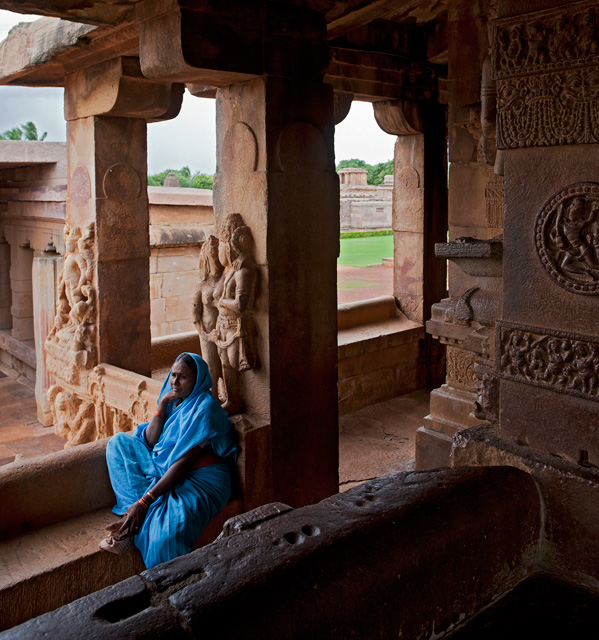
I have always wondered on the large increase of the number of people employed as security officers in the last decade. Fifteen years ago, I don’t think we used to see a large number of private security personnel in blue uniforms everywhere. But today, every building seems to employ a large number of them. This lady, however, wasn’t a private security guard, but a government servant employed by the archaeological survey of India. What struck me and prompted me to make this image was the contrast between the colour of her bright uniform and the surroundings.
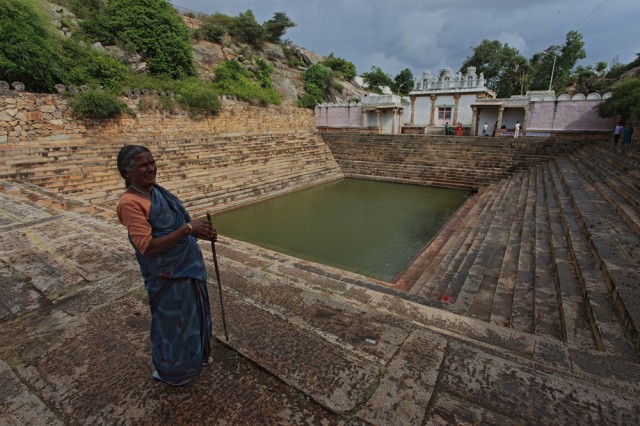
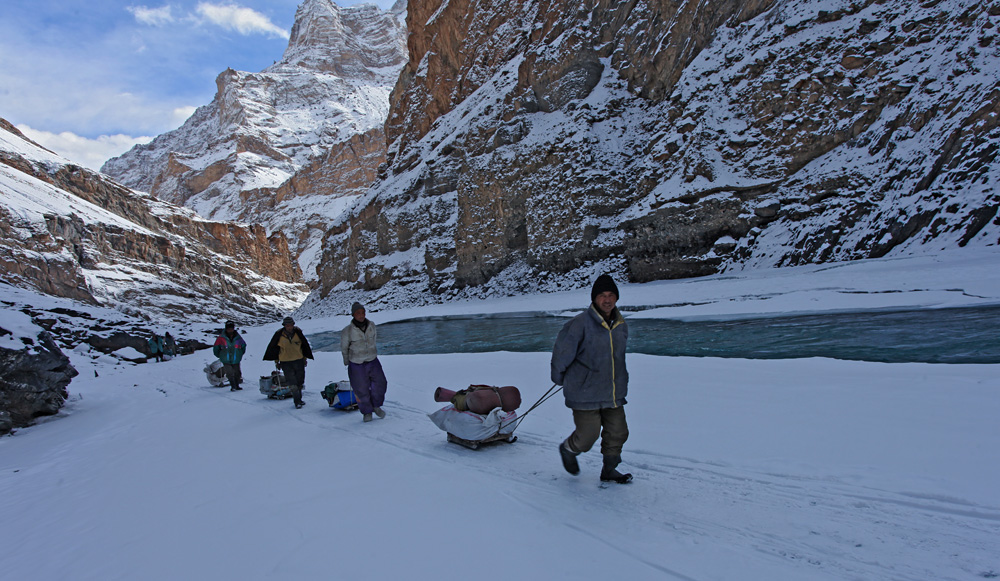
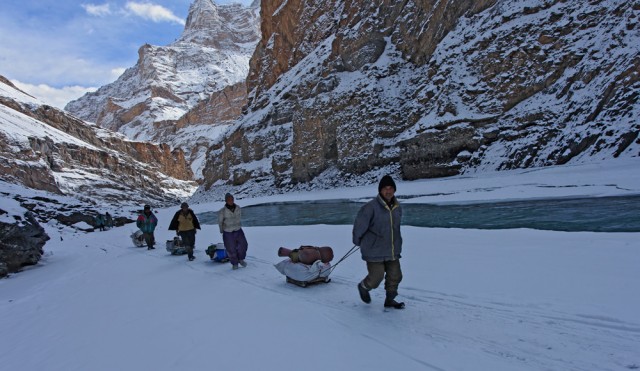
The task of a porter in the Indian Himalayas is a tough one. These people carry unusually heavy packs really high up the mountains, often in forbidding weathers and poor oxygen level. Yet, they seem to do it effortlessly and tirelessly, remaining active and cheerful even after the end of a long day of hiking. These porters, who were walking on a frozen river and carried the luggage of trekkers were subjected to a particularly difficult task. Even though they managed to put the luggage on a sledge and pull it along, they had to lift it on their shoulders where the ice surface was broken, while they climbed steep rocks in bitter cold. They were so capable, sometimes they even carried the trekkers on their back as they walked in frigid waters where the ice was broken, thus helping the visitors stay dry.
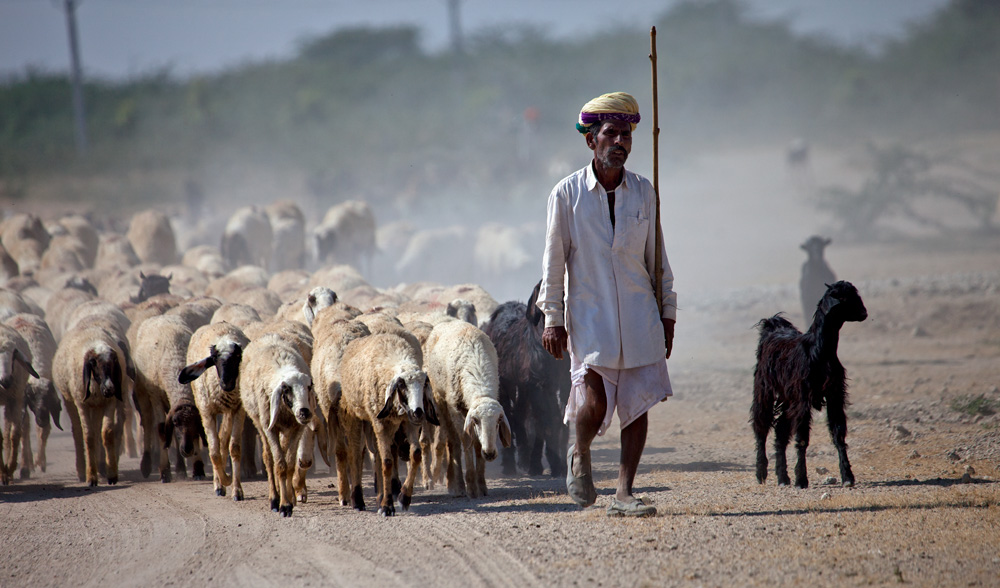
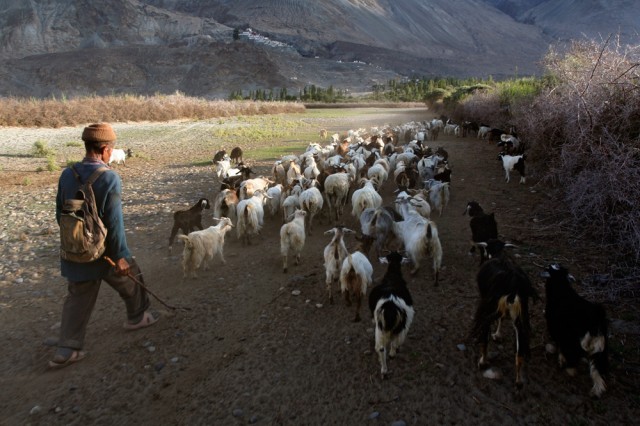
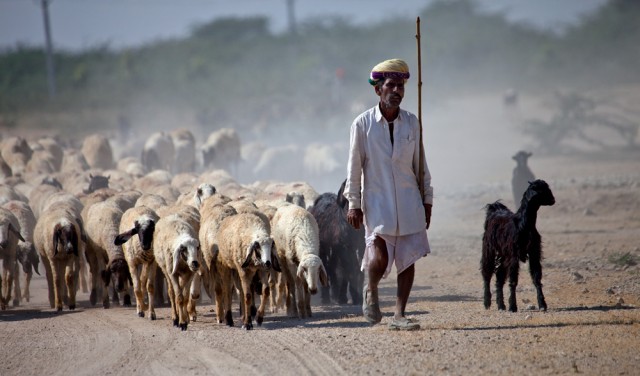
Shepherding is an occupation that we see across the country, from the deserts in Rajasthan to mountains of Kashmir. The variety of sheep that survives in these places and the purpose for which the sheep are reared can be different. The pashmeena goats found in the mountains are highly coveted for wool used in making expensive shawls.
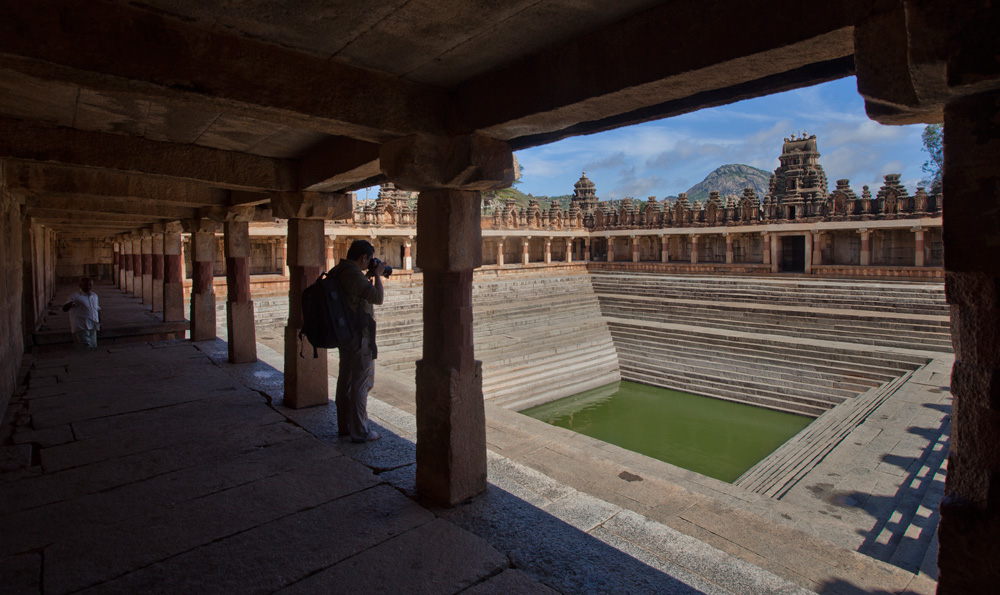
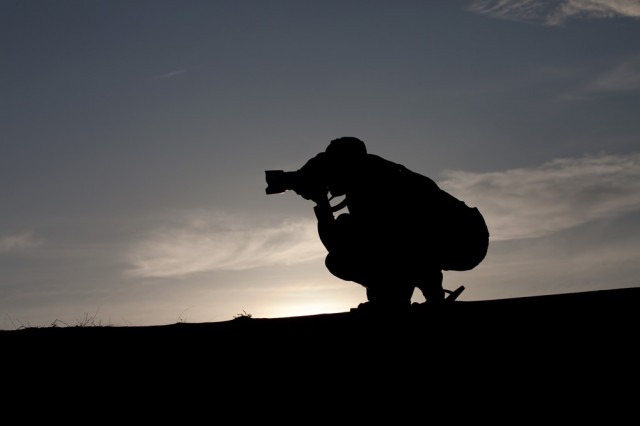
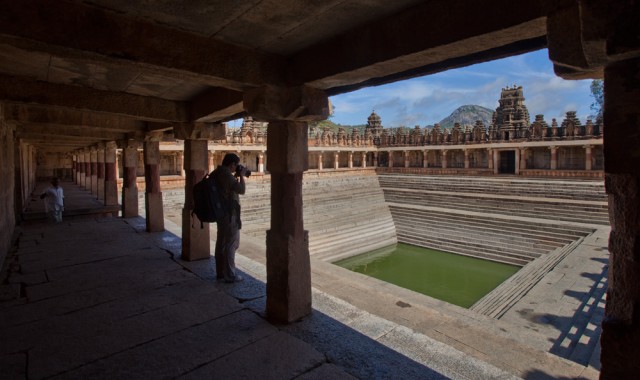
Naturally, I have captured many images of people in my own profession – photography. It is a coveted line of work that a lot of people would love to get into. And for a valid reason – if you are well established, it is a work that takes you places and is a profession that is highly respected. As with any work that has a lot of excitement, it also comes with its share of difficulties. Photographers often have to work at unearthly hours in search of the right weather and lighting. Some genres of photography, due to the nature of preparation required, may have photographers working for very long hours and still has an element of unpredictability to it.

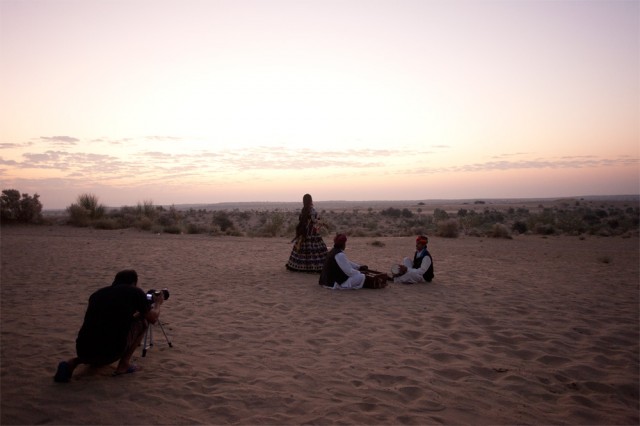
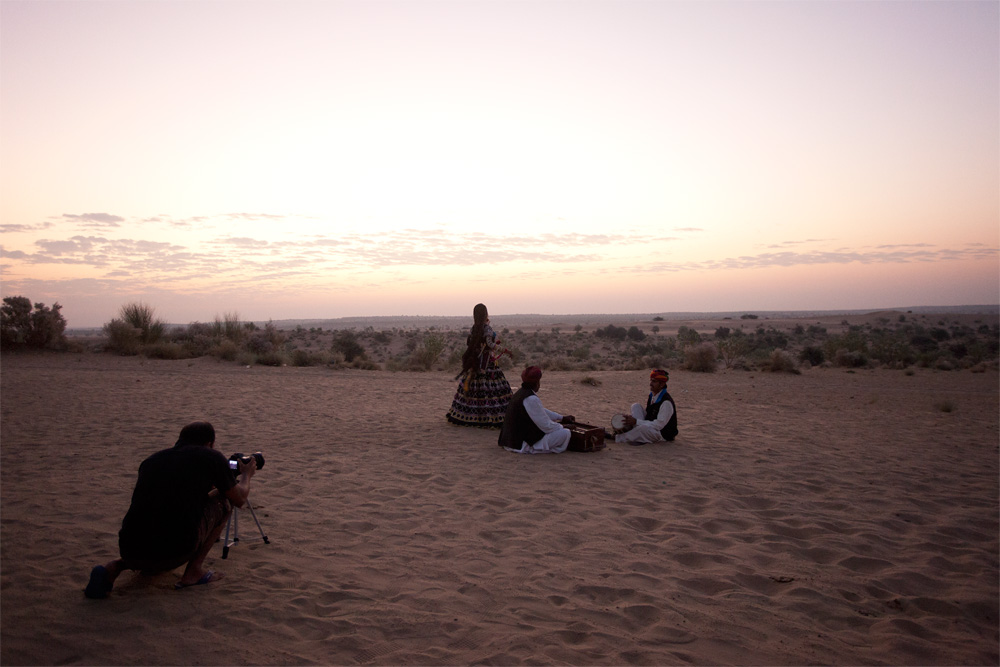
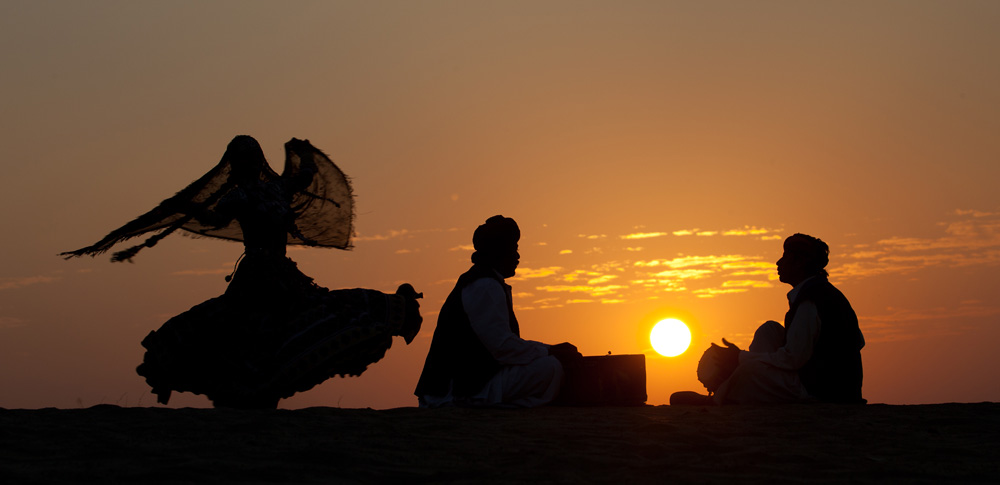
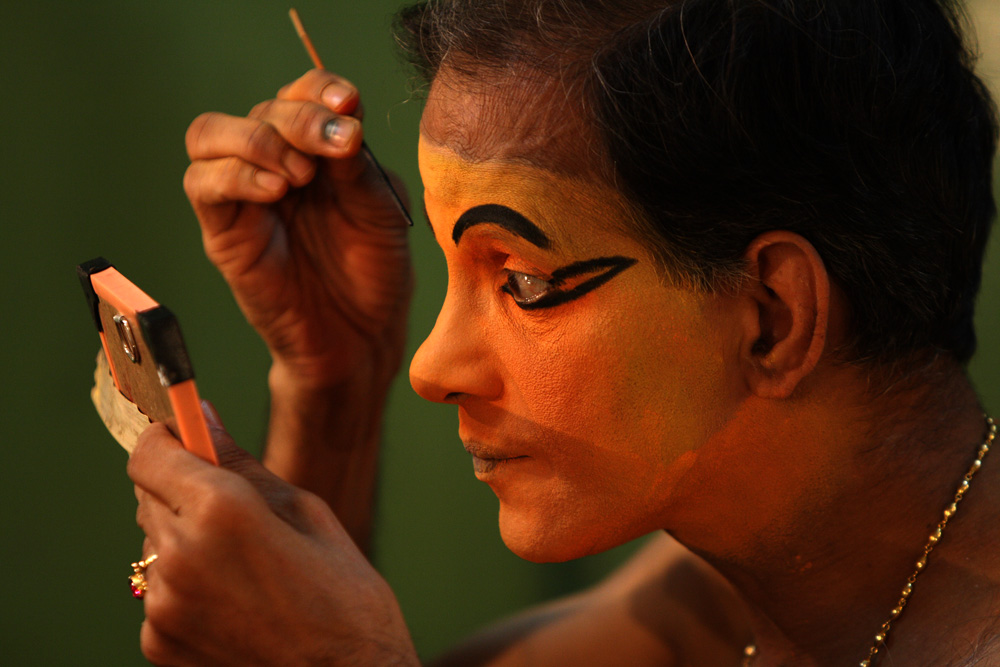
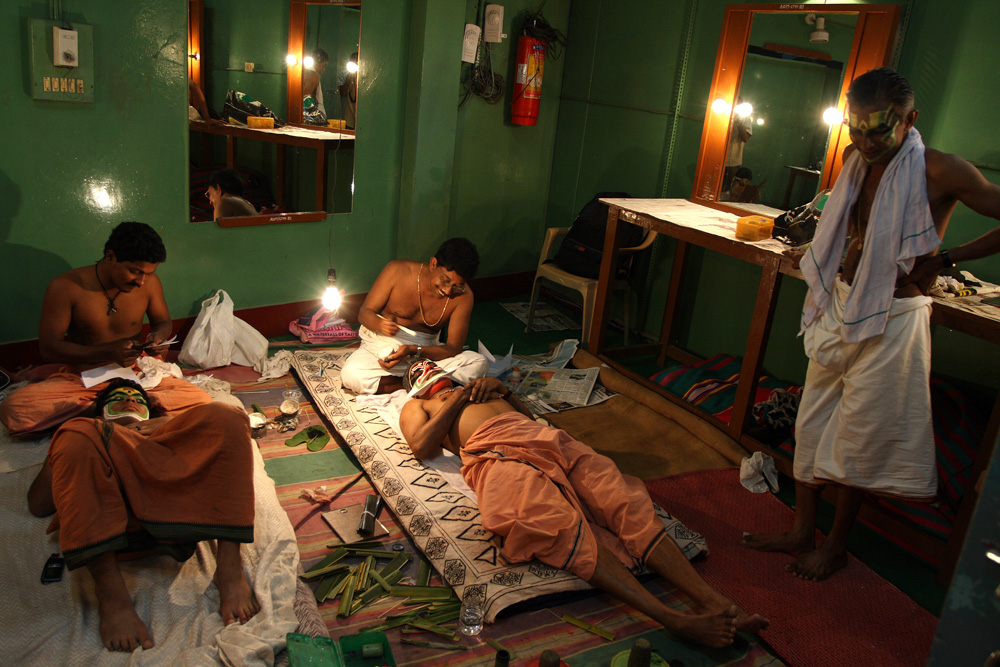
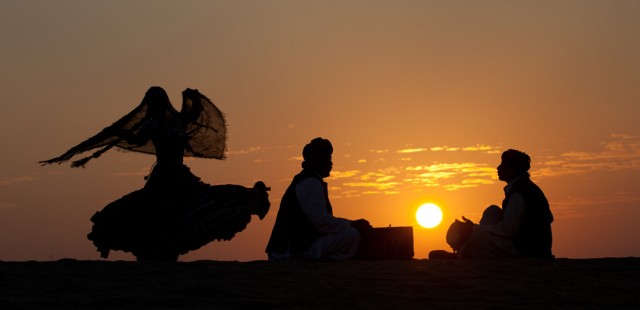
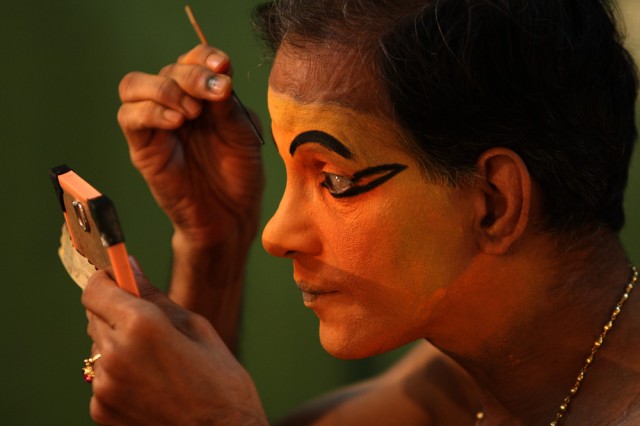
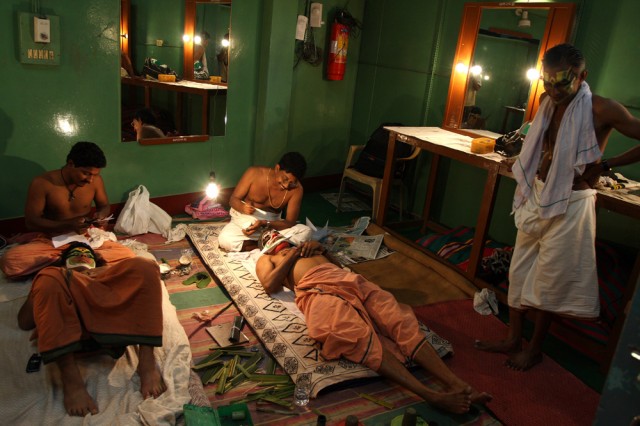
Like photographers, dancers fall under a broad genre of people whose work is considered art. These kalbelia dancers in the deserts of Rajasthan excel in their work and art, entertaining people who visit these desert lands. Kathakali (subsequent images) is a traditional performing art from Kerala, which involves people wearing rich colours and costumes to enact the stories from Mahabharatha. These artists are going through a long session of preparing for the show, which can be a more elaborate and time consuming process than the performance itself.
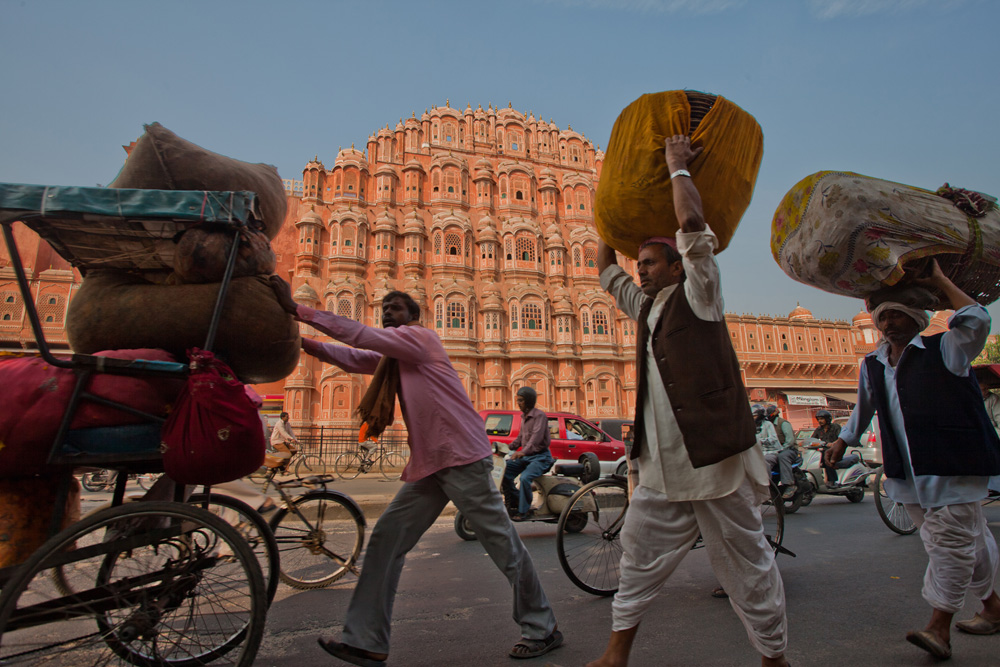
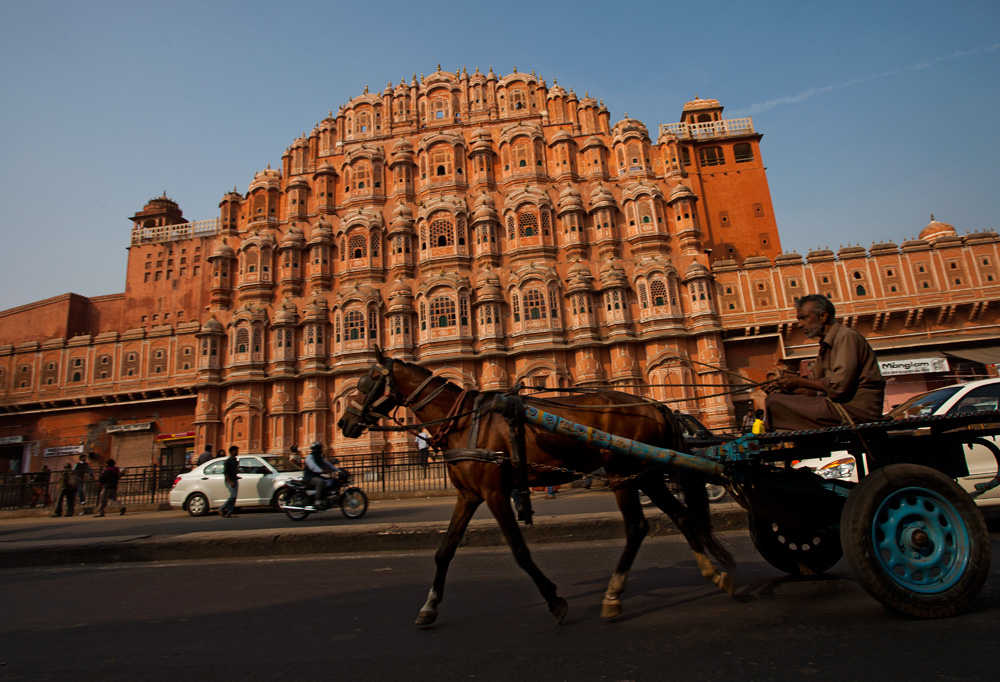
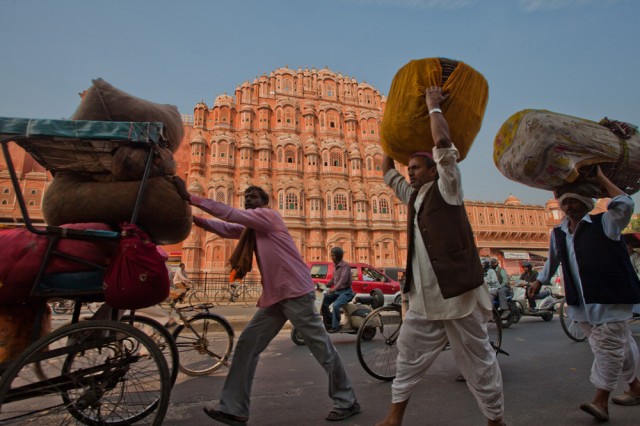
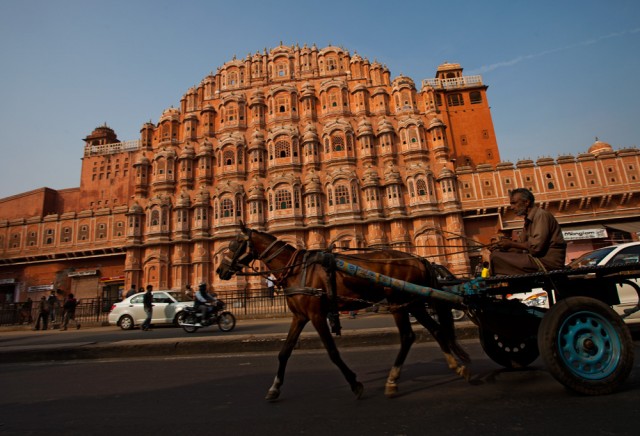
Out streets are always busy and filled with people who are engaged in some work or other, be it getting someplace, transporting goods from place to place or hawking to other people who are already busy on the road. There is a never an empty and dull moment on the streets of India’s cities.
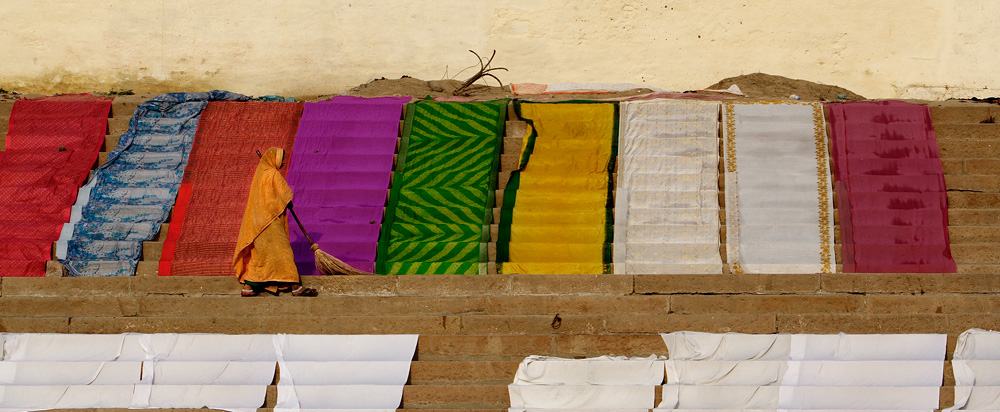
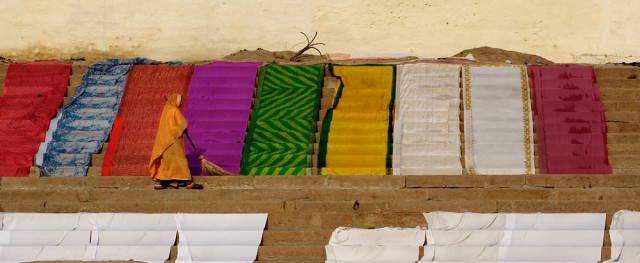
One of the crucial jobs that is important for everyone’s well-being is the task of keeping our habitat clean. Here is a person sweeping the colourful ghats of Varanasi.
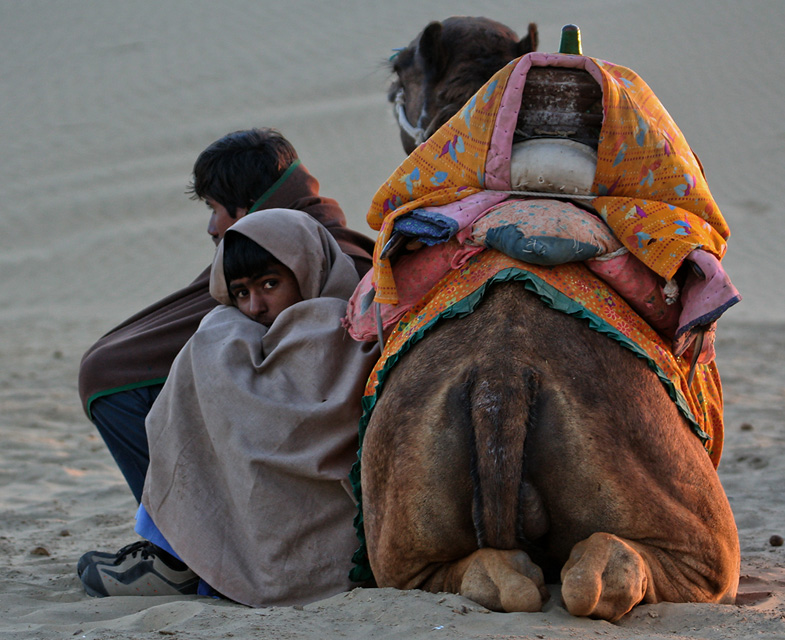
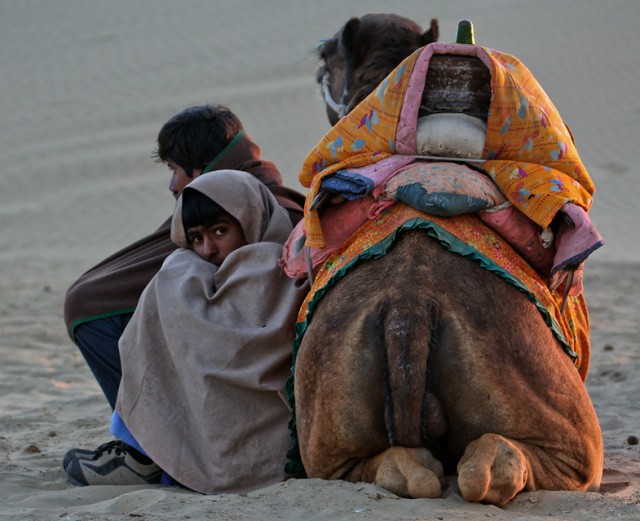
The work of camel drivers in the deserts of Rajasthan is seasonal. Come winter, they decorate their camel and hangout near sand dunes looking for tourists who want to go on a camel ride. The competition is fierce, and it takes a lot of waiting and a lot of coaxing the customers to get them on the camel back. The tourists who flock the desert in winter disappear during the hot summer months.
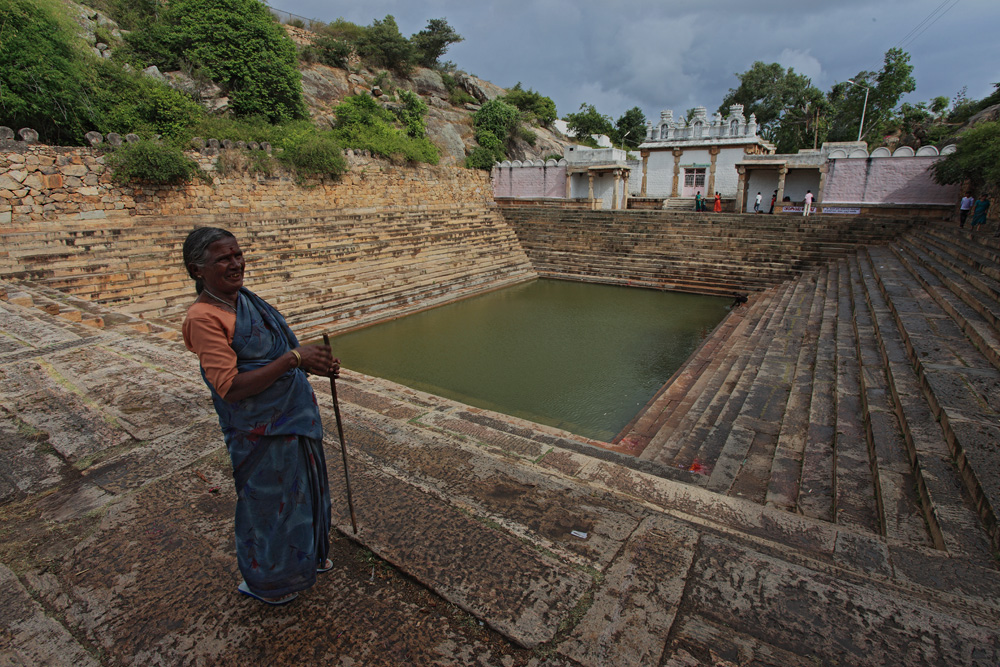
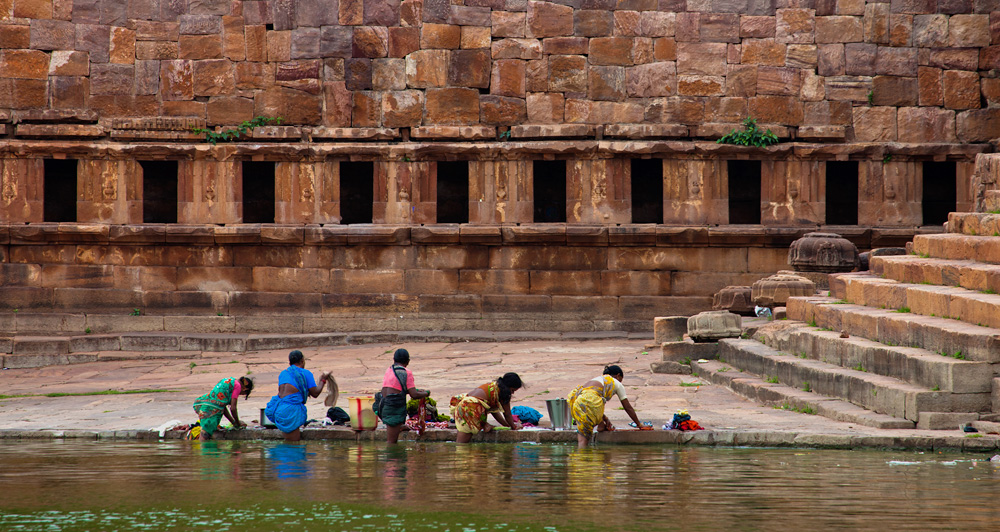
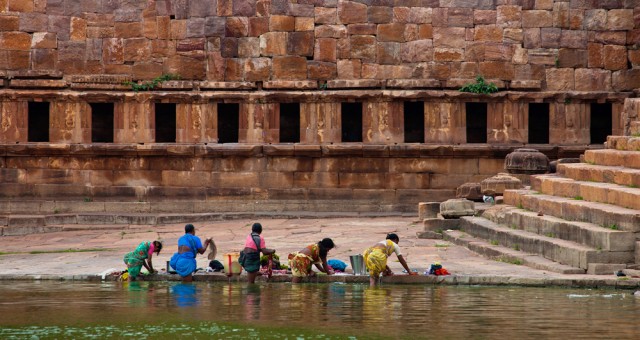
Not every work is occupational. It is common to find women using public tanks in the villages as a place for washing clothes, and use that time to catch up with all the gossip.
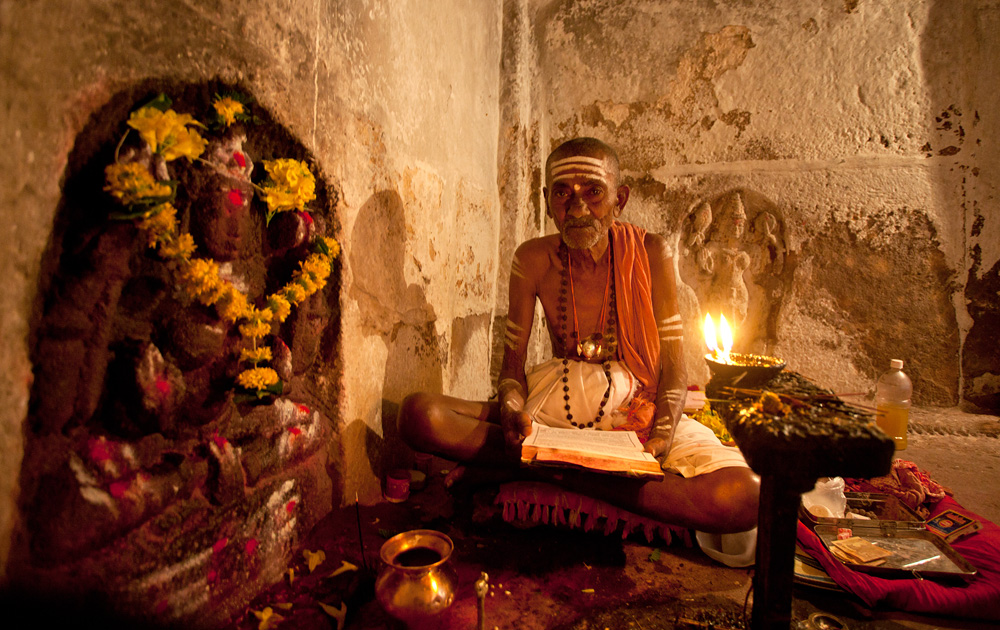
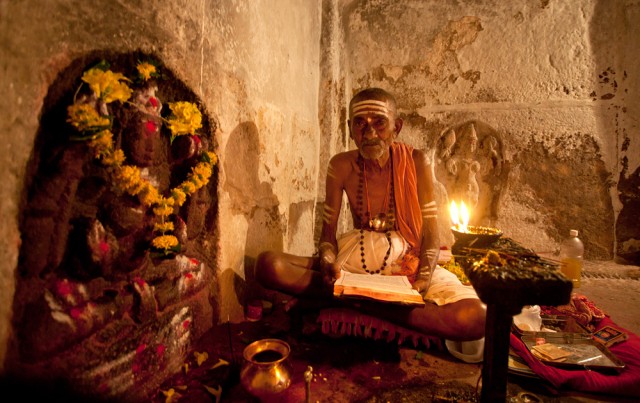
And there are some tasks, which many people assume to be a service rendered than a service that has to be paid for. This priest, like many priests across the country, probably made a living working as a priest, though people who visit the temple may never treat his availability for them as a service that needs to be compensated for.
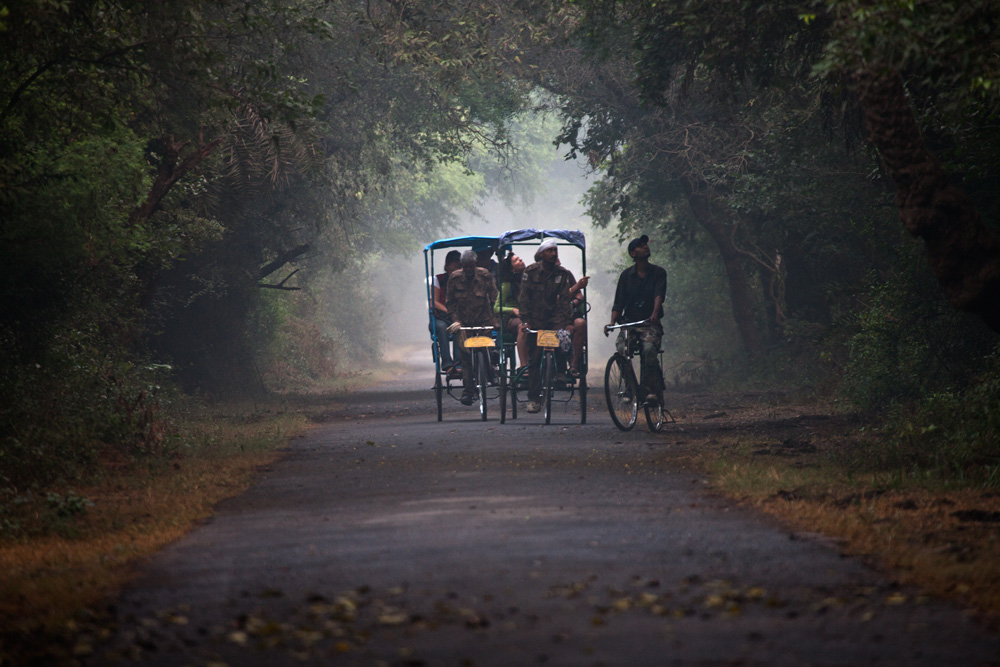
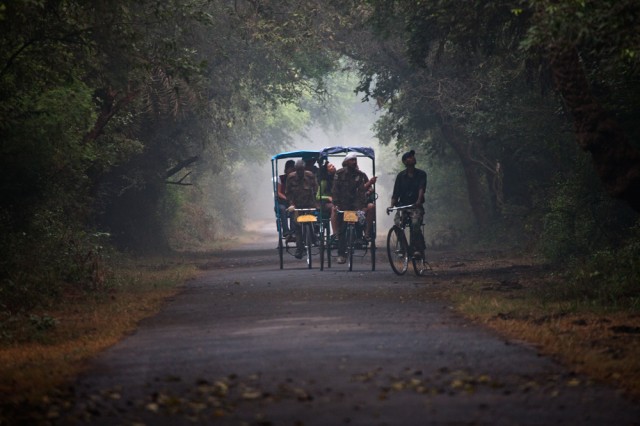
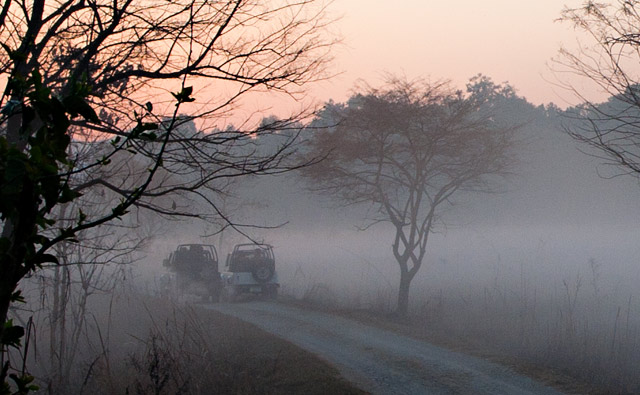
This is an unusual way to ferry tourists, seen in Keoladeo National Park in Bharatpur. Motorized vehicles are not permitted in the park, but it is a place small enough to be crisscrossed using bicycles and cycle-rickshaws. While a lot of people prefer to walk, there are a good number of people who hire cycle-rickshaws as well for transport. When someone hires a bird guide as well as rickshaw, the guide rides along with the group in his own bicycle, scouting for birds on either side of the road. Foggy weather is a common occurrence in the park area during winters, which reduces the visibility, but usually good enough for seeing birds.
It is amazing how many different types of occupations exist in this world. They perhaps number is in tens of thousands or even higher. A quick search on the internet seemed to indicate that no one has every tried to count, although occupations may have been categorized and grouped into a countable number of genres.
Here is my views and reasons on travelling on a budget. The post is dedicated to one strong proponent and practitioner of budget travel I know of – Priaynk of priyank.com
In the last decade or so, I have spent considerable time travelling and exploring all corners of India. As the cliche goes, I have journeyed to Kashmir and to Kanyakumari, to the eastern corners of North-East India and to western edges of Rajasthan and Gujarat. If I sit and count, I can probably mark more than 500 days in the calendar as days spent travelling in the last ten years. That’s probably way above average, although it could be way below the frequency at which some people I know travel.
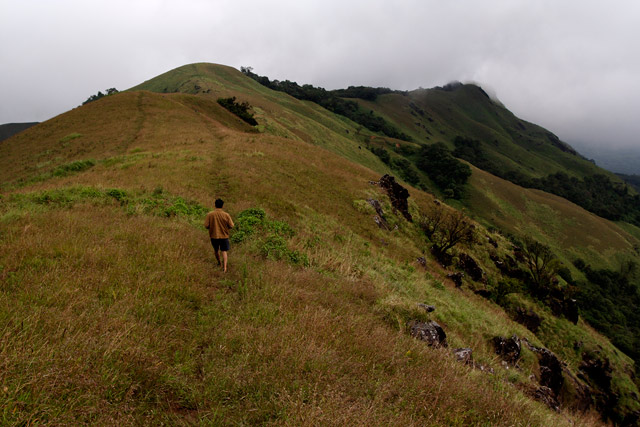
Questions always come up when I talk about my travel and profession. People are often surprised, envious and often wish to be in my shoes. I think the question, ‘how to afford it,’ always pops up, thought it rarely gets asked to me directly. In fact there are two expensive things that need to be burned to be able get on the road frequently – time and money. These are two things short in supply for most people in this world, including me. Affording time is something that has remained a puzzle for me as well. So I ended up quitting a desk job to travel around the country and then never went back. That’s how I afforded time. But money, I think, a lot of people reading this can afford. Provided it is spent wisely.
The answer is in budget travel. If there is one simple and important reason that makes budget travel worth the effort, it allows you to stretch your journey. It is possible to travel for five to ten days on the same money that you would burn splurging on a holiday for just one day. So if you could afford a ten day holiday in comfort every year, you could stretch it from fifty to hundred days when you travel budget. This alone is sufficient reason for me to travel budget. But there are more benefits.
Stretching my journey
To reiterate, this is the single most important reason why I travel on budget. If I could afford to travel fifteen days a year in comfort, budget travel will probably allow me to be out for two months. But what if I could afford to travel two months a year in comfort? I would still travel budget, so that I can stretch it to 8 months. But what if I could afford to travel 365 days a year in comfort? I will answer the question when such a day comes. I haven’t yet thought about it.
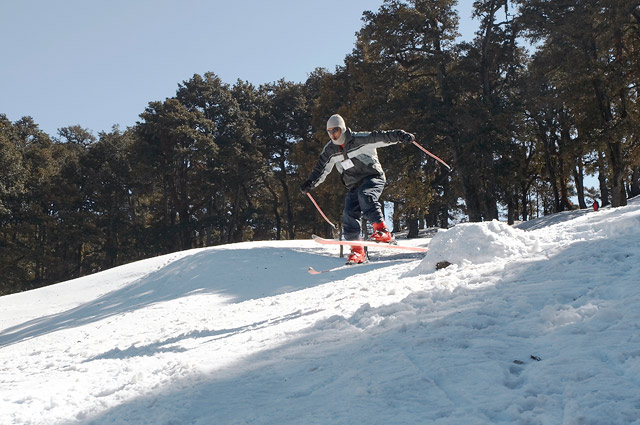
In 2006, I took a six month sabbatical from work and spent two months of it travelling in North and North-East India. Of this, a month was spent visiting Auli, Rishikesh, Corbett, Varanasi and Agra. Because I travelled budget, I could afford to take my time indulging in the experiences of each place. I spent a week skiing in Auli, another week on the bank of Ganga at Rishikesh, four days each at Corbett and Varanasi besides a brief two days in Agra. If I were to travel in comfort, I would have exhausted all of that money during the week I spent skiing in Auli.
It doesn’t necessarily mean I would actually want to be travelling for 8 months or 365 days a year. After some travel, I would always like to come back home and stretch my legs. But there is another reason why it is worth travelling budget. Read on.
I prefer to spend on the experiences, not accommodation
Does this mean I count my money every single time before I give it to someone? Not necessarily. If there is an experience that requires me to pay and doesn’t offer me a budget option, I would rather pay for it than deprive me of the experience.
While I was in Corbett, I had to hire a vehicle for four full days all by myself. Hiring a vehicle all for myself is hardly a budget travel thing. But there weren’t any alternatives. I was travelling there solo. I did not want to share a vehicle with strangers because I wasn’t interested in having to listen to the desires of someone who would be desperately after tigers. I wanted to live the experience of seeing Corbett the way I liked to see it. The only option was to hire a vehicle all for myself. I went for it.
To me, budget travel is not about cutting down on things one can do and fiercely stick to a daily budget. It is about eliminating frills that are not necessarily a part of my travel experience. For example, a spotlessly clean room is what I look for when I travel, instead of accommodation that costs a lot and comes with cushy mattress, wooden flooring and a lot of furniture that I may never use during my stay. If there is public transport available that can take me to a destination in reasonable amount of time, I would rather take it than spend on a taxi. At the same time, I would not mind spending more if there is no public transport available or when the budget accommodation at a location turns out to be grimy and unfit to stay.
Some experiences are possible only with budget travel
It is amazing how much difference does taking public transport and walking do to your travel. You meet people whom you are unlikely to meet if you are moving from place A to place B in a car or necessarily stay in comfortable hotels.
During my first visit to Jaisalmer, I stayed at a small guest house run by Badal Singh. It was a simple, spartan place that was as basic as it could. But talking to Badal and his attitude to life was like a revelation. In the many conversations that we had during the two days I was there, there was much to learn about living a life of fulfillment. Badal was not just a hospitable guest house owner, he was a highly spiritual person whose good vibes would get attached to his guests as well. If you haven’t already done that, do click on the link on his name and read my experience staying with Badal.
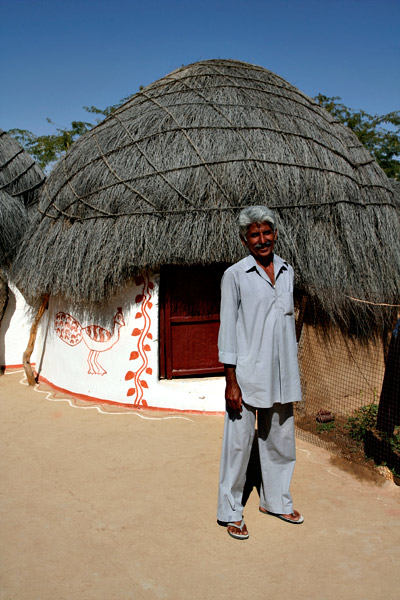
The good time I had with Badal continued with his associates. Badal sent me into the desert on an overnight camping trip, which turned out to be a rare and beautiful experience. I went into the desert on a camel, assisted by camel driver Ratan who knew the geography of the region well. We did not carry camping equipment, tents, chairs or a paraphernalia of things that would go into the back of a pickup truck. Instead, all we had was small bag of groceries and a couple of quilts over which I sat on the camel back. That night, Ratan cooked a local delicacy – Bhati – on fire. I ate and slept in the open desert–no tent or whatsoever–watching the stars and listening to the sound of bell from the camel’s neck in the otherwise silent desert. It is an experience that a comfortable hotel will never offer to its guests.
I have noticed in many occasions that it is easy to connect with local people when you are travelling on budget. There are many occasions where I have chosen a basic homestay against a more expensive hotel, which enabled me to listen to stories with the host over dinner. I once ended up playing cricket with a bunch of boys simply because I was walking past (instead of driving past) and they invited me to join them. It is not that such experiences can never be had if you are travelling with a good budget; but the chances of mixing are much likely when you are travelling simple.
Mixing with other travellers
It is also more likely that you connect with other travellers easily when you are travelling budget and staying at simple places. It is perhaps because of the smaller spaces where people get together (say, lunch table or a courtyard), or simply a way of acknowledging a fellow traveller who is on a budget – I have seen that I am far more likely to strike a conversation (and discover interesting things in the process) with fellow travellers in smaller places. I have met volunteering workers on the ghats of Varanasi, photographers who wandered in the ancient temples in Belur, rickshaw drivers in Rajasthan, fellow travellers in Uttarakhand and many more such people on the road who have remained in touch. For reasons I am not sure, I don’t think these would have happened, had I been travelling in comfort.
At a personal level, this is probably not a reason that is compelling enough for me to opt for travelling in a budget. I am not a ‘let me go and meet a lot of people’ kind of person either. But this counts, along with other experiences.
I am happy to sweat it out
I simply enjoy carrying a heavy backpack with me (for some distance at least!), going on long walks and hiking in the mountains (and even in towns and cities where there is something of interest), taking the harder way like using public transport instead of a private car. For no specific reason, I like doing it this way and feel good about it. It is simply a way of travel that makes me happy at the end of it, whether or not I accomplish something from the journey.
More: the downsides, about travelling in comfort, etc
Of course, there are negatives too about travelling on a budget. For example, because I did not have a car or a pre-booked itinerary during my visit to Agra, I was hounded by touts everywhere I went. There are times when I had to spend nights in not-so-desirable places simply because I opted to stay at a place very remote or decided to arrive without a booking. Some times it pays to have a private vehicle, which enables you to go as you please and stop where you wish. There are times when I have wasted a day on the road because I could not find a connecting public transport in time. Some such surprises are eliminated if you travel in comfort. But then, on many occasions, it is surprises that really make a journey fulfilling.
So, am I against travelling in comfort? There are some confessions to make here. There was a time when I used to think that the only correct way to travel is to travel down-to-earth. I was a snob who thought of myself standing on a high ground and looking down at all those people who waste money on ‘frills’. But no longer. I guess to each one is their own way of travel. Someone who is looking for a stress-relieving holiday is probably better off in a hotel with a spa and occasional visit to the beach-front. It is probably worthwhile sticking to a planned itinerary and using comfortable hotels if you are travelling with family (kids, elders, etc) or in a large group of people with diverse interests. Or simply, it could just be your preference and there need not be any reasons to opt to travel in comfort or in a budget.