See part I and part III
My long walks lead me several times to the abode of Dalai Lama in search of the charm that attracts thousands of people to this small town in the Himalayas. A narrow long passage and empty hallways greeted me to a prayer hall colourfully decorated like every Tibetan Monastery is. The open spaces around the prayer hall, perhaps teeming with people on some days to listen to the lectures of His Holiness, now remained silent but for the laughter of a few tourists and murmuring chants of monks passing by.
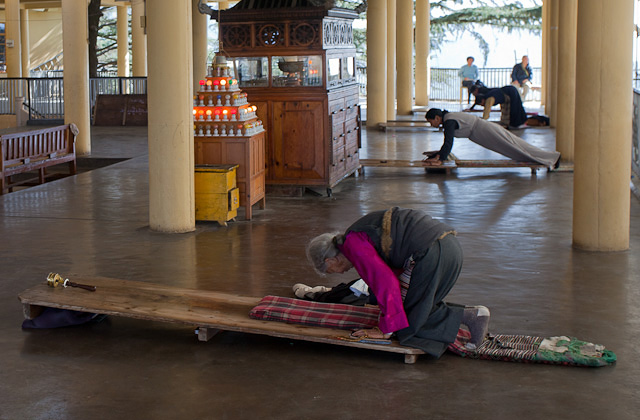
His Holiness himself was away and travelling as he normally is for most days of the year. For a moment the open surroundings of the temple appeared to have little of interest in the absence of Dalai Lama. The prayer halls were empty and I did not feel a sense of belonging that I hoped to experience in his abode. I sauntered aimlessly from one end of the temple to other,watching the few tourists who made a quick tour of the temple and the genial monks with rosaries humming their chants. A small number of devout Tibetans prostrated repeatedly in front of the prayer hall, bowing down and coming up again and again, sometime joined by western faces coming under Richard-Gere-like influence from Buddhist preachings. Many of the prostrating Tibetans appeared calm and contented, offering unrequited devotion to their spiritual leader and to the forces of the other world. But a few faces gave away a hint of anxiety and pain, perhaps towards their kins suffering from suppression in their homeland.
A small museum, curated by men who escaped from Tibet to India, tells the story and state of Tibetan People in their homeland today. The displays at the museum show images of Tibetan warriors trying to face People’s Liberation Army, images of Chinese Soldiers in the plateau, the stories of Tibetans escaping through high passes buried in snow, destroyed monasteries and forced education that children now go through.
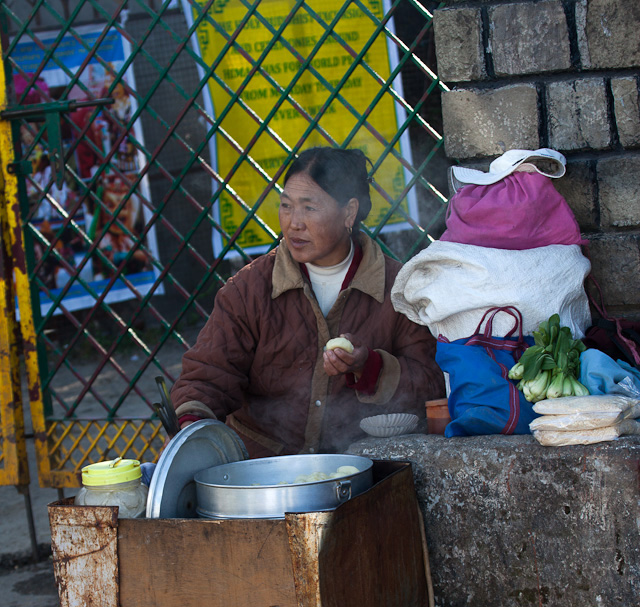
Hot momos anyone?
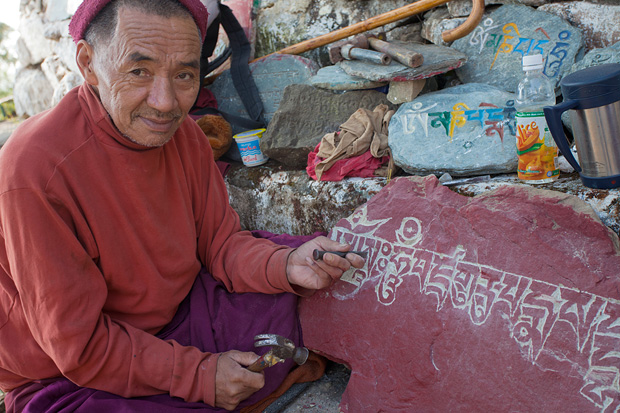
Walking past the Dalai Lama Temple, stopping briefly to buy freshly baked potato momos from Tibetan Women who sold it on the street, I dragged my feet downhill to discover a circumambulation path around the temple. A small paved path went through a cedar grove behind the temple, taken by a few monks and worldly Tibetan but rarely any tourists. The quiet, green path through the slopes was decorated with brightly couloured prayer flags and painted mani-stones. A few minutes of walking, I stumbled into two monks carefully carving the stones with the sacred mantra – ‘Om Mani Padmeham,’ working the chisel slowly on the rocks and stopping occasionally for a conversation with passing monks.
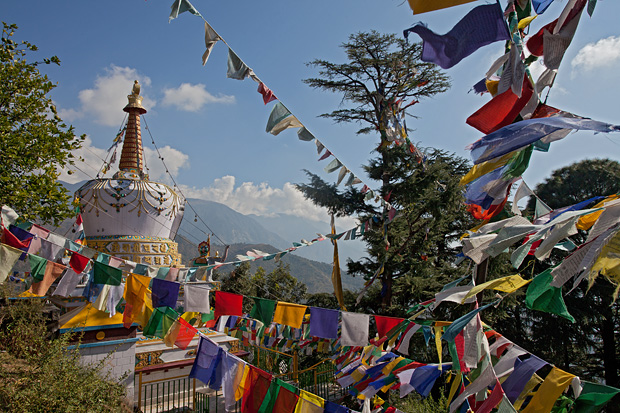
Further along the path was a small place of worship next to a home for Tibetan senior citizens. In front of this were a few stupas placed haphazardly along the slopes, surrounded by a riot of colourful prayer flags that added a cheerfulness touch to the circumambulation path.
Beyond this was a thick vegetation where I spent nearly an hour looking at several birds which I had never seen before and never known their names before arriving at the gates of the temple again.
It must have been very long since I wrote a travelogue on this blog. I got down today to jot my experiences at Dharamsala, hoping to conclude it with a short post on spending three days at the charming little town. I got carried away and let the words flow, stretching it long enough even before I began and forcing me to split it into more than one installment. Here is the first. See part II and part III
McLeodganj is split into three worlds. A modern world offers all the creature comforts, largely targeting tourists who flock into this worldwide headquarters of Tibetan Government in Exile. Another world belongs to the Tibetans themselves – with their monasteries and housings spread across many corners of the small town. This world is like an island, a small place unlike its surroundings where you see unusually large congregation of people who have escaped the clutches of Peoples Liberation Army of China. The last of the three worlds belongs to the old residents, largely Gaddi Shepherds, who have lived here for a long time.
It was first of three worlds that hit me the moment I alighted from the bus at the small square at the heart of the town. “A lot can happen over coffee,” said a loud colourful sign which seemed to be bent on transporting me back home. It could perhaps have comforted me with the cliched feeling of being at a ‘home away from home,’ but I could not take any of it and quickly made my way to Bhagsu – once a quaint little Gaddi Village that is now a backpacker’s heaven.
Bhagsu is at the edge of greenery, reasonably far away from the restaurants serving ginger lemon honey, falafels and mueslis but close enough to reach there in fifteen minutes of walking when needed. The Himalayan slopes rise quickly on the other side of the village, where magpies caw happily as they hop over tall conifers. But Bhagsu is no heaven, which it perhaps was once upon a time. Ugly backpackers joints spread across the village haphazardly as Gaddis who own the land have discovered an easier way to make a living instead of roaming the remote mountains along with their sheep in bitter cold weather. Guesthouses and restaurants have sprung up in every corner, making it an effort find a quiet little place of stay that offers a good view.
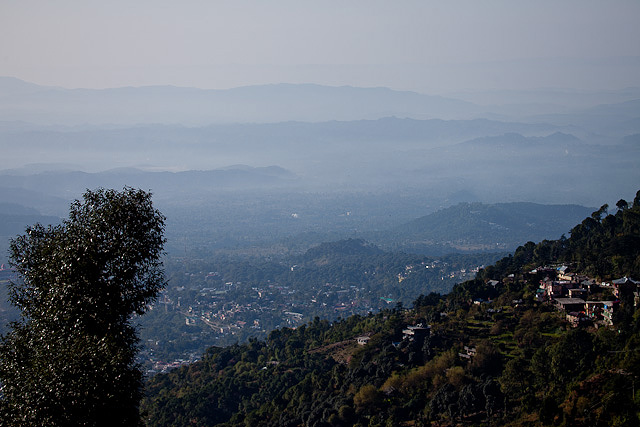
Thus began my three days of discovering the abode of Dalai Lama. But don’t let my ramblings discourage you. No sooner I settled down, I put the complaining parts of my brain to rest and saw plenty of good things in McLeodGanj. The air was crisp and the weather was pleasant, though it was beginning to get a little chilly with the onset of winter (second half of November). It was a clear day and my balcony offered views of the plains below somewhere very very far away in Punjab. Between the plains and me were several layers of hills painted in the morning blue gently fading into the plains. Immediately below me was a valley where a stream gurgled and sang happily on its way down the hills, surrounded by green grass, pine and cedar trees. It was all quiet but for an occasional caw of a magpie or an even rare honk of a vehicle carrying a tourist up or down the hill.
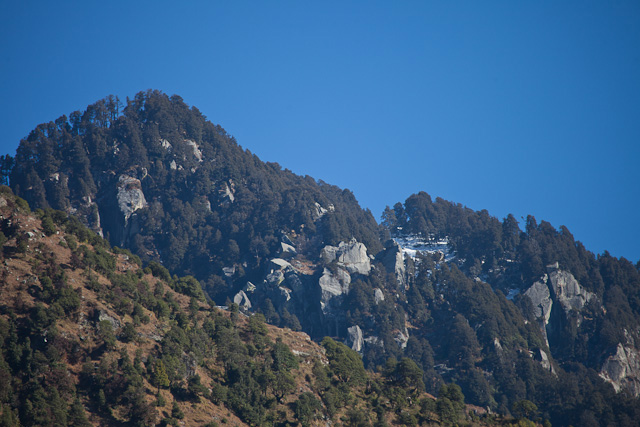
On the other side, up the hill and behind my guesthouse, the mountains climbed steeply till the snowline at Triund. Somewhere on either sides were snowy peaks which remained hidden by the hills around me, but visible after a good walk to a vantage point.
It must have been nearly four years since I made a visit to the hills on my own and reflected on the charm of cedars without having to keep company of anyone else. The crisp air, the quiet surroundings, the scenery and perhaps the good vibes from Tibetan Monks quietened my mind and subdued its train of thoughts. I put aside all my plans for three days at The Ganj, let my camera rest in the room and dedicated most of my time to walking in the hills, a bit of reading and sunning in the balcony. It was going to be a holiday for my mind, body and hopefully the soul as well.
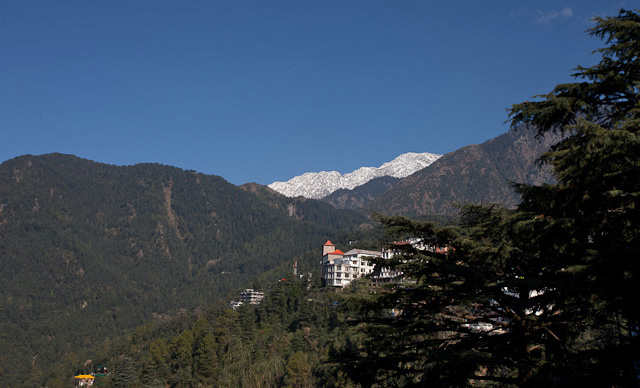
I began my sauntering along the small road that connects Bhagsu with McLeodGanj, which was going to be my favourite walkway for the next three days. I could happily go up and down in this short road that goes through an empty stretch flanked by tall trees, pausing every now for a good look at the valley and then at the tall peaks to the other side. Few vehicles took this road and occasional chai shops kept me energized when needed.
Darter Photography, a venture of me and professional wildlife photographer Shreeram, present our next photography tour. This time the focus is on wildlife and we will be travelling to the islands in the backwaters of Bhadra.
Also see more tours on our facebook page. ‘Like’ us to stay updated on a variety of photography tours and workshops.
River Tern Tour – Photography Tour of Bhadra Wildlife Sanctuary
May 6th, 7th and 8th
Come summer, a grand spectacle unfolds in the small islands of Bhadra Reservoir. As the water level recedes and exposes the submerged rocks, thousands of River Terns and Pratincoles flock here to nest. It is chaos on the rocks as the dense pack of birds struggle for space to breed and raise their young ones. Little fledglings take baby steps on the rock even as the parents fly in with little fish in their beaks for feeding.
Darter Photography presents River Tern Tour – A photography tour to Bhadra Wildlife Sanctuary to showcase this spectacle… and a lot more. Join expert wildlife photographer Shreeram M V, who served as a Naturalist at Bhadra and has explored every corner of the sanctuary.
Tour Details
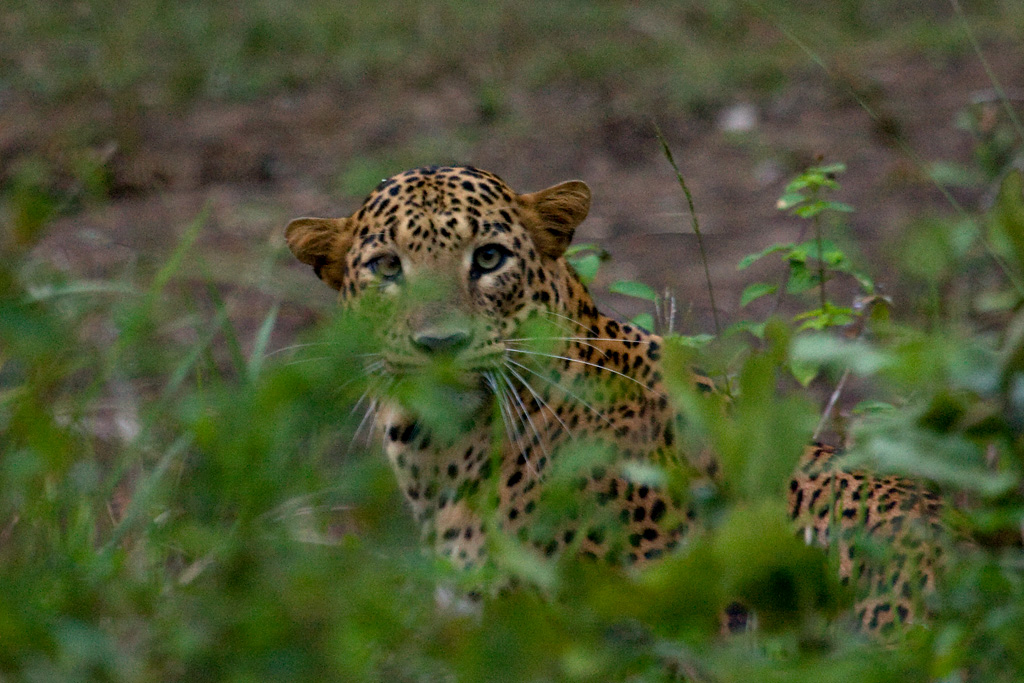
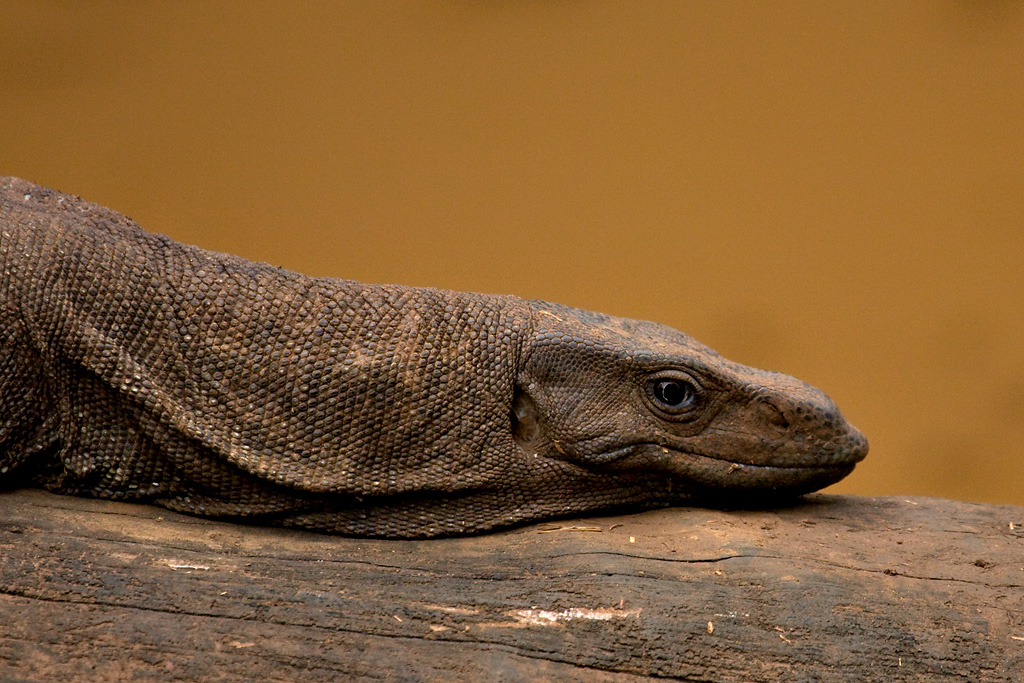
For the wildlife photographer, this dense gathering of River Terns and Pratincoles is an opportunity never to be missed. We approach these islands on boats to witness and capture every bit of interaction of the Terns and Pratincole with their young ones. And it doesn’t end there – we go into the heart of Bhadra Wildlife Sanctuary, teeming with animals like tigers, leopards, wild dogs, elephants, Malabar Giant Squirrels and Monitor Lizards. Not to forget are the Marsh Crocodiles basking on the reservoir banks.
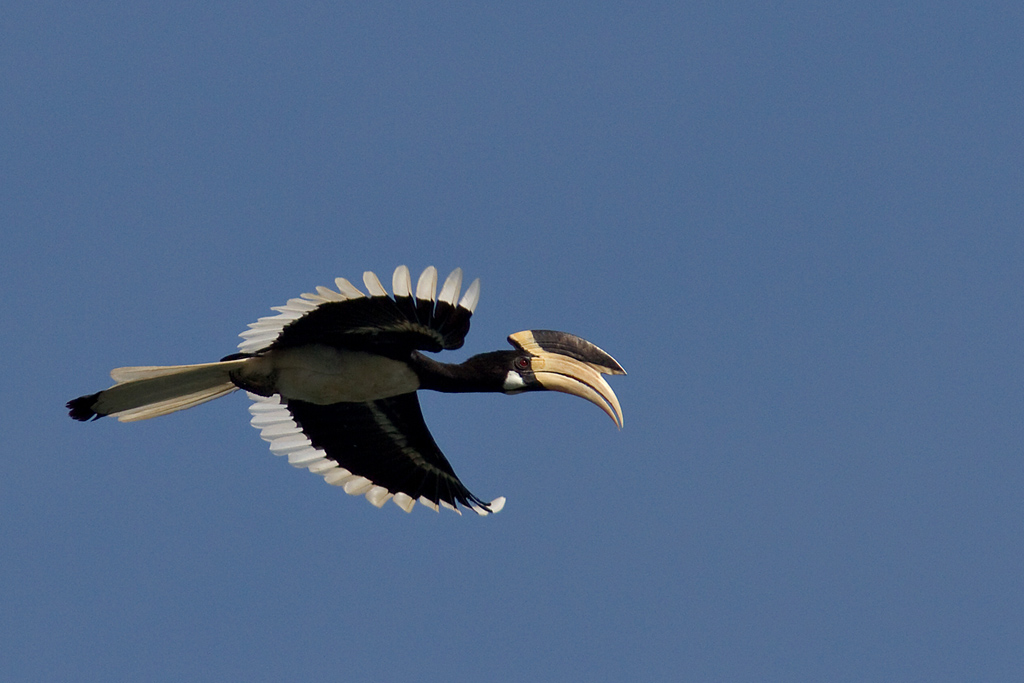
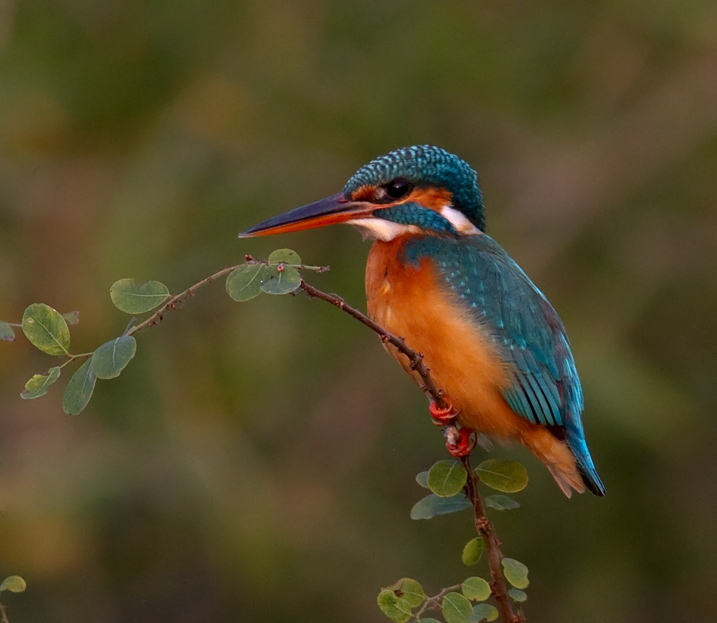
Besides pratincoles and river terns, the birdlife in the region includes Grey-headed Fish-Eagles, White-bellied Sea-eagle, Crested Serpent Eagle, Scarlet Minivets and even the elusive Malabar Trogon. Watching the huge Malabar Pied Hornbills flying across the reservoir is a treat in itself.
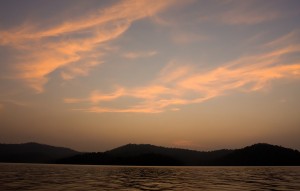
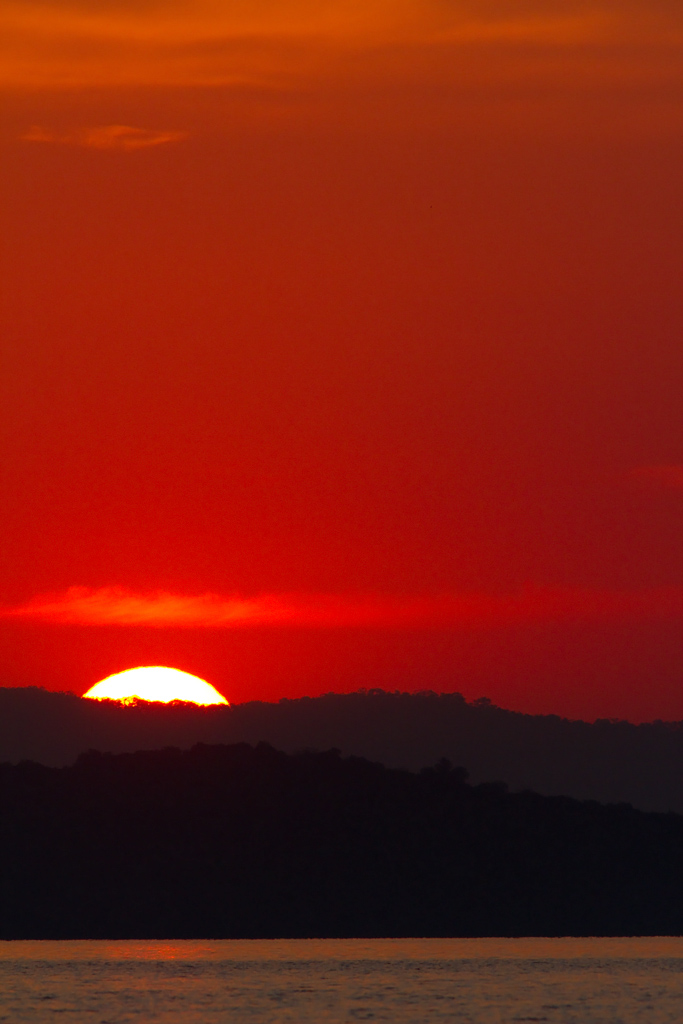
The islands nestled in the dense forest make a grand spectacle where colourful sunsets over the backwaters offer another great photography opportunity. We will be staying in one of these islands, a scenic location in itself.
The tour includes:
- Two jeep safaris into the park and two boat safaris on Bhadra Reservoir
- Session on photographing wildlife – techniques, aesthetics and ways to approach the subjects
- Assistance on field in getting best images
- Daily image reviews and feedback at the end of every day’s shoot
- On-field assistance in identifying birds and in understanding wildlife in the park
All through the tour, constant guidance from Darter Photography Expert will help you get the best out of your trip to the wilderness.
Please note that while chances sightings are fairly high, we cannot give you any assurance.
Is this tour for you?
River Tern Tour is ideal for you if you have an interest in watching and photographing a wide range of wildlife – from mighty tigers to tiny birds. Our photography expert will get you prepared for photographing wildlife and will assist you in every step of making good photographs.
Accommodation
We will be staying in River Tern Lodge, run by Jungle Lodges and Resorts.
Tour Cost
The tour cost is Rs.10,500/- per person.
The cost includes
- Accommodation on twin-sharing basis at River Tern Lodge
- All meals during the stay (starting with lunch on check-in date and ending with breakfast on check-out date)
- Jeep Safaris into the park and Boat Safaris on the reservoir
- Session on wildlife photography, on-field assistance and image reviews
The cost does not include
- Transport to River Tern Lodge and back (we can assist those looking for transport or interested in car pooling)
- Additional food and beverages ordered at the resort
- Tips and anything else that is not part of the includes list above
Book this tour
Contact us to book the tour. Like all our tours, River Tern Tour will have a limited number of participants..
email: register@darter.in
Ph: 9880006460 (Arun) / 97400 83260 (Shreeram)
Do visit Darter’s facebook page to stay updated on our tours and workshops.
Darter Photography Expert: Shreeram M V
Shreeram is a passionate naturalist and a professional wildlife photographer, with experience of working as a naturalist at River Tern Lodge. His wildlife images are widely acclaimed have found place in glossy desktop calendars and wall hangings.
Shreeram has the experience of photographing wildlife across multiple habitats across India – from the rainforests to the high-altitude deserts to grasslands to coasts. He comes with vast expertise in bird photography, having photographed hundreds of species from places as far as mountains of Ladakh to seashores of South India. See some of his works at http://www.visualquotient.net
Having spent some time as a naturalist exploring the wilderness of Bhadra, Shreeram is your perfect wildlife guide and photographer to get introduced to the fauna of the region and come back with great images.
What our guests say
“Thanks for the patience of Arun and Shreeram has, they were able to extract quality pictures from us.” – Darshan (Bangalore)
“I guess this was the best learning I ever had.” – Madhu Chandan (Bangalore)