Winter Travel Destinations
Winter is just round the corner. Here is a quick compilation of some places that are ideal for a visit in the next four months.
Karnataka
 |
Hampi. The World Heritage site of Vithala Temple and the stone chariot may come to your mind. But Hampi is much more than that. It has a beautiful boulder strewn landscape spread on either side of meandering Tungabhadra River. Read A drive to Hampi, Walking in Hampi and other travelogues on hampi |
 |
Badami, Aihole and Pattadakal. Historians call these places as the ‘cradle of Indian architecture’. Students came here to learn from every part of the country between 6th and 8th century AD. Today, structures from those times still remain, most well known of them being the cave temples of Badami. Read travelogues on Badami, Aihole and Pattadakal and nearby places. |
 |
Gokarna. Gokarna is home to some of the finest beaches in Karnataka, perhaps in India. What makes it even more interesting is some of the beaches south of Gokarana are a few kilometers away from any villages and have even today remained secluded to some extent. Read Gokarna travelogue and walks in Gokarna. |
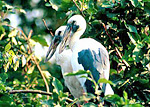 |
Ranganathittu. Winter is the time when painted storks, openbills and many other birds start arriving at Karnataka’s most well known bird sanctuary. Read about Ranganathittu and birds in Bangalore. |
Rajasthan
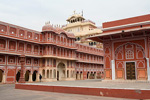 |
Jaipur. The well maintained city palace, the astronomical observatory of Jantar Mantar, facade of Hawa Mahal, the lavish fort at Amber – just some of the sights in Jaipur. Add to this the charm of the old city painted completely in pink. Read more about Jaipur and walks in Jaipur. |
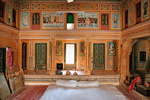 |
Shekhawati. The open art gallery of Shekhawati is full of old Havelis with colourful paintings on its walls. The merchants of Shekhawati knew the best way to spend money. There are so many havelis, each of their wall loaded with colourful murals. Read more on Shekhawati |
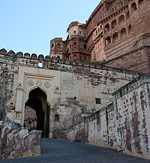 |
Jodhpur. Like Jaipur, Jodhpur is another city where Rajasthan’s heritage and culture is showcased so well. The large Mehrangarh fort overlooks the old city where every house is painted in deel blue. Read more about Jodhpur. |
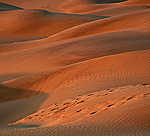 |
Jaisalmer. The finest of the desert scenery is unveiled in the remote region of Jaisalmer at the edge of Desert National Park. The stories of winter sunset and camel safaris are among the most well known experiences of Rajasthan. Read Jaisalmer travelogue. |
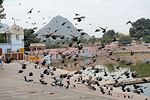 |
Pushkar. When the famed camel fair is over, all activity in the town shifts to the surroundings of the holy lake. Around the lake, Pushkar is like a mini Varanasi.Read Pushkar travelogue. |
Kerala
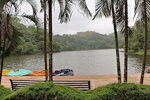 |
Wayanad. It can be cold here in winter. But if migratory birds in the western ghats are on your mind, Wayanad is a great place to go to. Read about birding in Wayanad and about places to see in Wayanad. |
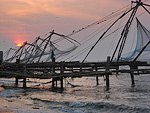 |
Kochi. The big Wembanad Lake, long bridges, beaches, backwaters, quiet lanes leading to ancient churches and synogogues, Ayurvedic Massages. There is lot to do in Kochi. Travelogue – Fort Kochi and around.
Image courtesy: driek |
Himalayas
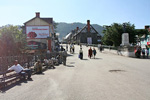 |
Shimla. It may be cold in Shimla during the winters. But it is the nearest places from Delhi where you can see snowfall. Shimla travelogue |
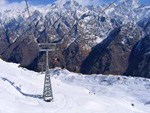 |
Auli. It is a long journey to get to this ski village in Uttarakhand, but it is worth it when there is enough snow. The views from here are one of the best you can get in the eastern Himalayas. Read all my stories on Auli. |
Uttar Pradesh
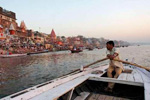 |
Varanasi. The ghats of Varanasi can be overwhelming initially. But you will soon get lost in the ancientness of the old city of Varanasi. Read travelogues from Varanasi. |
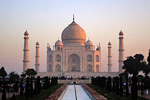 |
Agra. The place known for India’s most famous monument is equally well known for its notorious touts! Read about Agra and it’s touts. |
Tamil Nadu
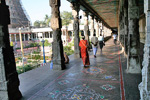 |
Madurai. It can takes more than a day just to see the temple from end to end. There is a lot to discover in Madurai’s Meenakshi temple. Read travelogue from Madurai. |
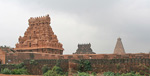 |
Thanjavur. Even today, Thanjavur doesn’t seem to have any buildings that raise as high as the Brihadiswara Temple. Read Thanjavur travelogue. |
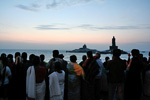 |
Kanyakumari. The place where the three seas meet is windy, beautiful and charming. The Vivekananda rock tends to get crowded a bit, but there are lots of things to see on the mainland. Read my stories from Kanyakumari. |
Goa
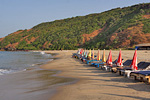 |
Goa. The beach-state is known for its huge parties during Christmas and New Year. There is more to Goa than parties, they still have pristine beaches (it takes some effort to find them though), wildlife sanctuaries and an easy pace of life. Read about my road trip from Bangalore to Goa. |