Mani stones are tablets with the sacred mantra ‘Om Mani Padmehum’ carved on them. If you travel in the Himalayan regions like Ladakh and northern parts of Himachal Pradesh where Buddhism is widely practiced, you will find these stones in every corner – outside the monasteries, in the villages, along the roads and next to sacred places. For a long time I wanted to see people working on making these tablets. I happened to witness it during my recent visit to Dharamsala.
These monks were chipping on the rocks along the circumambulation path around Dalai Lama Temple. I loved the way these two monks executed their work. Even for a second, they never seemed to think of it as hard work. Along with their tools, they had a small bottle of water and a flask that perhaps contained some tea, which indicated that they were planning to spend a long time working with the rocks. The young monk’s job was to just sit and give company to the old man while he chiseled the rock. They yapped continuously as the old man slowly chipped on the rock. Occasionally, when other monks came along the circumambulation path, they would stop by to chatter but never stayed too long to disturb their work. The old man seemed to know his job and made it look effortless. He seemed to be enjoying every moment of his task.
I watched them at work for some time until they decided to end their morning session. We did not speak any common language, so the communication between us was limited. The old man, full of compassion in his eyes like only an elderly monk could have, occasionally looked at me and smiled genially. At some point, I took a few picture of him at work. He continued working while I was shooting but once I was done, he summoned me, asked me to show the pictures and laughed heartily after seeing his photographs. He was such a cheerful person, the few minutes I spent with him put me in an elevated mood for rest of the day.
Here is a quick primer for those who have never attempted wildlife photography, but considering it. A version of This article appeared in October issue of Terrascape, a travel magazine for which I am an editorial consultant and also write a column on photography. Read all the earlier earlier travel photography articles on India Travel Blog.
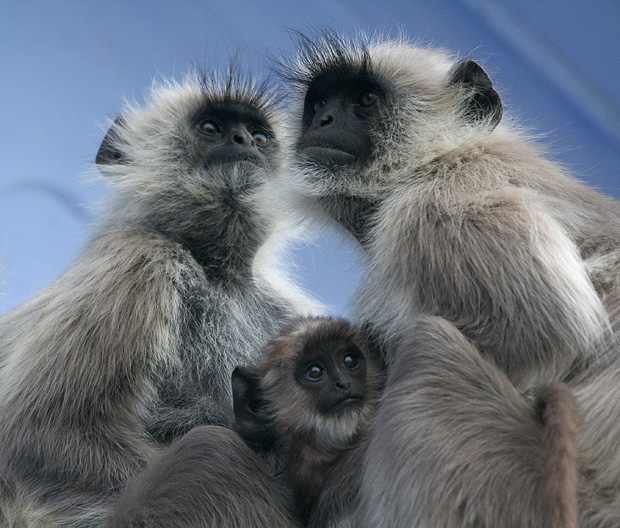
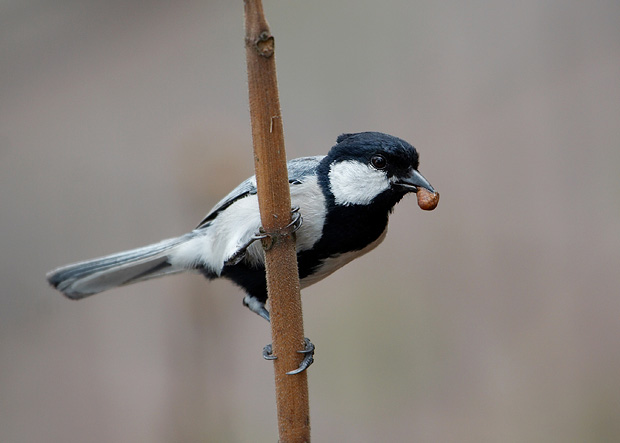
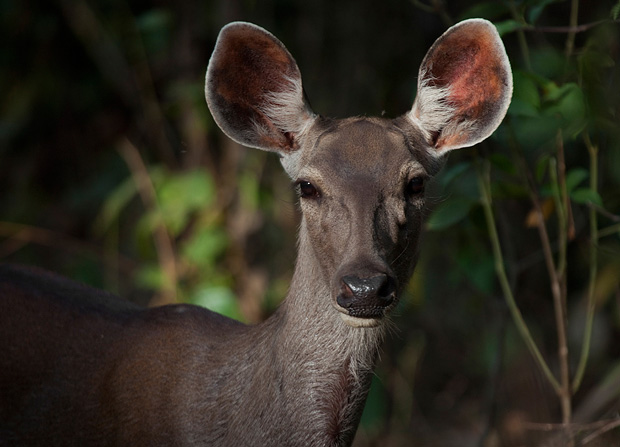
Ask any photographer and they will tell you that shooting wildlife is a different ballgame. Unlike other genres where you can go carefree and experiment a lot with your camera, photographing wildlife requires extra care and attention to ensure that you don’t disturb your subjects and follow certain behavioural ethics. If you are completely new to wilderness and do not have much information about the ecosystem and fauna of the place where you are planning to shoot, it is recommended to go along with an expert who understands them better. More than getting good images, it is important that you leave the subjects undisturbed. Shooting wildlife is a rewarding experience not just in terms of getting great shots, but also in observing the beautiful creations of nature in a natural setup.
Study you subject. While it is useful to study your subjects in any genre of photography, it is a vital aspect of shooting wildlife. Photographing animals is not just about going to a place and start clicking, but also about understanding as much as possible about their behaviour and habitat. The more you study your subject and the more you know about them, you are likely to capture some fine moments of their life and come back with great pictures.
Wait for your shot. You will almost never get anything more than a portrait shot of your subject unless you are willing to spend a lot of time with them. Instead of running from place to place to see more variety, wait at one place and observe. If you are willing to watch your subjects for longer periods, you might be able to capture a lot of your subject’s behaviour. Always be ready with your camera aimed at the subject. Otherwise you may miss some great shots in fraction of a second.
Try your neighbourhood. Not every great wildlife shots have to be made in some exotic locations. Even your neighbourhood, your local park or the shrub jungle outside your city can offer a lot of photography opportunities. It should not be hard to spot a hundred different species of birds within 50km radius of your house. Of course, that doesn’t mean you should not head out often. Do visit the national parks as frequently as you can, which offer great opportunities to shoot a variety of wildlife.
Get equipped. Unfortunately, good equipment is essential to be able to shoot wildlife seriously. You will do well with high quality telephoto lenses. Go for the best that you can afford. And remember: if you do not have the right equipment, do not try to compensate by getting too close to subjects or by trying to be daring with large animals. As I mentioned before, the important rule of photographing wildlife is not to disturb your subjects.