The weekly travel photography section is back again, after a short two-week gap. Read all earlier articles in the series here.
As always, the Travel Photography article has two sections. The first part of today’s article is about protecting your camera in the monsoon season. The second part contains an image review. If you would like to have your images reviewed to know what worked well and how it could have been improved, choose some of your best images and post them on group pool of India Travel and Photography. Don’t forget to tag them as itpcritique, so they can be chosen for review. You can also post your questions related to photography as a comment to this post, or in India Travel and Photography group discussion. I will answer them in next week’s article.
In my earlier post on Photographing The Monsoon, Shrinidhi left a comment saying, “pls add some tips on how to protect the camera in rainy season- My fear that camera may get damaged due to water entry forces me not to take out the camera if it is likely to rain.” I would have liked to treat it as a Q&A at the end of an article, but the topic was worth a separate post in itself. Here it goes.
PROTECTING YOUR CAMERA FROM RAIN
Fungus. One of the biggest problem that haunts camera lenses is not caused by the rain itself, but the damp weather. If you keep the cameras and lenses packed away in the closet and wait for the monsoon season to end, you may be surprised to see fungus growing inside the lens. Fungus in the lenses is usually a grey fibrous material that slowly spreads in the inner surface of the lens. It grows in moist weather when the lens is stored for prolonged duration without exposure to light. The simple solution to keep fungus away is to keep using the camera often, instead of tucking it away in a closet during the monsoons.
If you do happen to notice fungus growing in the lens, do not panic. A little bit of it doesn’t make a significant difference to image quality. If you explore the lens to light frequently, the growth of existing fungus will be stunted. If it hasn’t spread too much, fungus may even shrink a bit on continuous exposure to light. But if there is a lot of fungus on the lens surface, it may be time to take the lens to a service center.
Using camera in the rains. I would not go ahead and ask you to expose your cameras freely to the rain, but at the same time, there isn’t a need to worry too much about precipitation. Most cameras are robust enough to let you shoot for a short while in a drizzle. But when you do that, ensure that you wipe the camera free of all the raindrops when you are done shooting. Do not let the water droplets linger on the surface. Don’t stay in the rain for long enough to get the camera completely wet. If you do, water could seep deeper into the body. Avoid exposing the camera in heavy rains. In case you get into a situation where the camera is accidentally prolonged to rains for a long time (or has fallen into water), remove the battery immediately and leave the camera for drying in a warm place. If you are lucky, your camera may function properly again.
Plastic bags. If you are going for long walks or treks in rainy days and intend to carry the camera with you, wrap it in multiple layers of plastic bags, or in a ziplock bag. It can keep your camera safe even if you are getting yourself wet in the rain. That way, when you reach a beautiful location and if the rains have subsided, your camera is dry and ready to work for you.
IMAGE REVIEW
The image below is posted for review by flickr user Guzman Sanchez
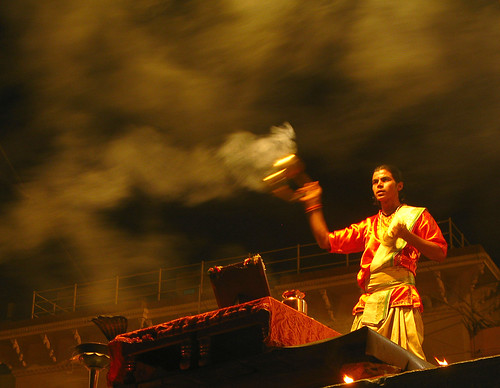
I am struggling to find areas for improvement in this image. There aren’t many I can think of. The positioning of the performer at the right side corner, with smoke moving towards the left works very well in the photograph. Despite being shot at a very low shutter speed(1/5 sec), the image seems to be sharp. The blurred hands are effective in showing motion. The streak of smoke on the top adds well to the image too. The image conveys the overall atmosphere very effectively.
Today’s post is a guest write-up by Hory Mukerjee. Hory is a travel enthusiast and works with Infosys. He has authored a book, loves to read, write and travel. His father being from the Armed forces, he had the opportunity to travel through the length and breadth of the country. Here is Hory’s take on Ooty.
Text by Hory Mikerjee. Pictures from paintedstork.com
Ooty, the queen of hill stations, has been a popular tourist destinations for years. However, it fails in living up to its name. I was majorly disappointed with my visit to Ooty this summer.
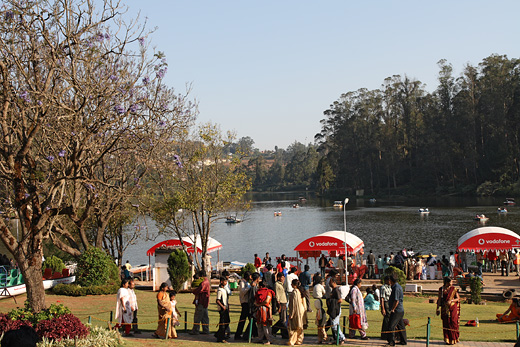
Ooty attracts a lot of people in peak summer season. Hotels were in a mess and were very crowded. The commercial junction of ooty (charing cross) looked more like a busy street in Mumbai or Bangalore, the only difference being the hills surrounding the town. There are many hotels, but finding a good one is always a big question mark. A quick search in the town may show up just a handful of good places, and the rates are never a good value for money. However, there is no dearth of rooms and it is not hard to find a place without advance bookings. Tamil Nadu tourism provides a list of homestays, and it would be a good idea to check them out if you are looking for some local flavour.
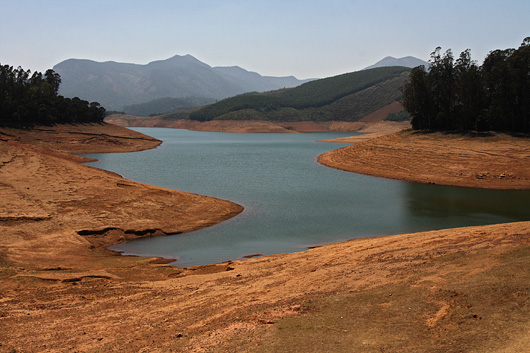
The places for sightseeing around Ooty disappointed me majorly, all of them being highly commercialized. The beauty of nature can be experienced within oneself if a place is serene or calm. But none of the places I visited kept up to the great praises I had heard earlier. All tourist points were flooded with people, or had become dump yards for garbage. The ooty lake, a place much spoken of, is also commercialized. However, a ride on the small toy train beside the lake wasn’t very disappointing. It was much better than the boat ride.
The rose garden is another beautiful place with a variety of flowers. One gets mesmerized and intoxicated with the fragrance of roses. It is a paradise for photographers too. Another good place to visit is the St. Stephens’s church in the middle of the city, which does not attract many visitors. The wall decors of the church are worth a mention.
Another spot that I enjoyed thoroughly was the tea factory in ooty. The manufacturing unit was running when I visited, and it was a good learning for a curious tea lover that I am. You also get to buy good quality tea and chocolates from here. Another place to look for excellent chocolates and fudges is the Kingston bakery at the charring cross.
A day of trip to Pykara falls, Mukurthi National Park, Avalanche, fifth mile and ninth mile is not very disappointing either. Pykara falls is a treat for photographers.
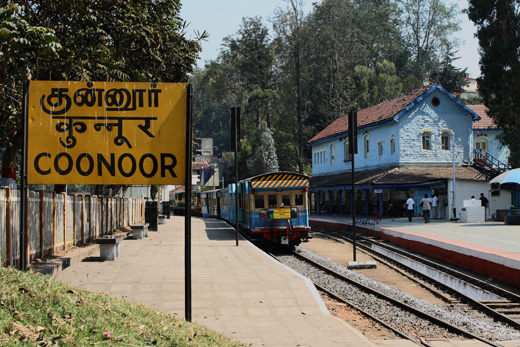
The journey to ooty would be incomplete without a toy train ride from the ooty station. The ride is amazing, as the train runs through picturesque valleys. There is a long queue in the station for tickets, so it is always better to buy in advance through irctc.
Though Ooty is a big disappointment, it still holds a charm. It is a good, quick gateway from Bangalore. However, if you are looking up to stay in proximity to nature and away from the hustle bustle, Coonoor (16 kms from ooty) is a better option than Ooty.
It was a busy week here working on the ‘Tour of Less Known Hoysala Kingdom’. The monsoon edition of the tour was well received, and was thankfully not interrupted by rain.
Weather gods were friendly to us through the journey. Carpet of greenery had sprung up on the countryside, thanks to the recent showers. Sunflower fields brightened the earth and kept our spirits high. It drizzled constantly as we sped past villages, fields and open countryside. Earth was wet, ponds had filled up, puddles had formed in depression and all forms of life were at their active best. Sun rays barely filtered through the ever present rain-clouds. The moody, romantic atmosphere persisted all through the journey.
At our resort hidden in a coffee estate, I spent most of my free time rocking on the swing and watching the water drip from the tiled roof. The ‘tip-tip’ of the water was relentless, sometimes accelerating into a constant pelting. Ebullient cicadas performed their symphony as the light fell in the evening. The stream that ran past the estate had gathered strength and was flowing with vigour. As darkness fell, peacocks hiding somewhere in the jungle faraway added voice to the conference of frogs, cicadas and the dripping rains. Monsoon had infused a new life into the creation.
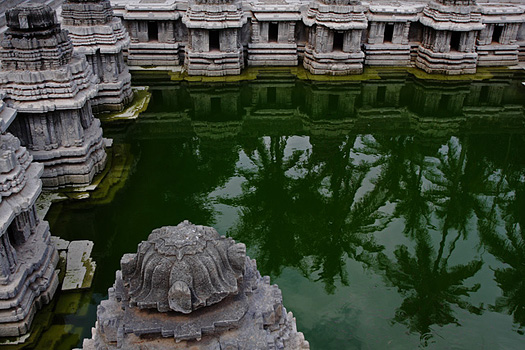
The monuments enthused me as much as the rains did, despite having been coming here again and again. The Veeranarayana Temple at Belavadi with its 108 finely polished pillars was not just about art in the stones; it gave me a feeling of peace. In Doddagaddavalli, I was overwhelmed once again to see the nine hundred year old temple appearing suddenly behind a curve, with a vast expanse of rolling landscape behind it. Hulikere’s ancient tank and its surrounding shrines seemed like a new discovery yet again. A mystic feeling always haunts me as I look at the shrines here and muse at the poetry carved into these stones.
Now sitting back at home and letting memories of the places linger in my mind, I am stuck with an unfulfilled feeling, and a wish for more of these indulgences. I could always do with more days of sitting on the swing staring at the dripping water. I could do with more of the cool moisture laden wind that brings in momentary shivers and prolonged happiness. I could do with a lot more of the quiet moments of leaning to the parapet wall at Belavadi Temple and staring at the array of finely polished pillars. Happiness lies somewhere out there!